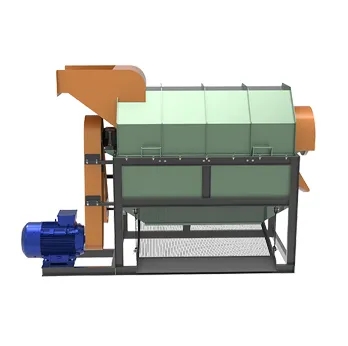
Membrane Press Filter vs Pressure Leaf Filter: Which Palm Oil Filter Should You Choose?

Table of Content [Hide]

    For palm oil processing, neither filter is universally better—the correct choice depends on the process stage. A pressure leaf filter is generally the preferred solution for removing bleaching earth and fine solid residues during palm oil refining, while a membrane press filter is better suited to palm oil fractionation, where efficient separation of palm olein from crystallized palm stearin is required. YAHUA's equipment applications reflect this distinction: its pressure leaf filter is designed for oil residue and decolorized clay separation, while its membrane press filter is used for fractionated palm stearin/liquid oil separation.


    When selecting a palm oil filter, buyers should therefore focus on filtration purpose, feed solids, operating pressure, capacity, cake discharge, automation, and downstream oil-quality requirements rather than comparing equipment only by price.


    Membrane Press Filter vs Pressure Leaf Filter: Key Differences

    Both machines perform pressure-driven solid-liquid separation, but their structures and operating objectives are different.


    ComparisonMembrane Press FilterPressure Leaf Filter
    Typical palm oil applicationFractionationRefining/bleaching
    Main separation targetPalm stearin crystals from palm oleinBleaching earth and solid residues from oil
    Filtration structureFilter plates and membranesFilter leaves inside a pressure vessel
    Cake treatmentHydraulic membrane squeezingCake accumulation on filter leaves
    Discharge methodCake/slag discharge after pressingVibration or other cake discharge system
    Best suited forHigh solid recovery and cake compressionEfficient clarification and polishing of oil


    A membrane press filter creates chambers between filter plates. After the initial filtration stage, membrane compression applies additional pressure to the filter cake, forcing out more liquid. This makes it particularly useful where oil recovery from the solid phase is economically important.


    A pressure leaf filter, by comparison, pumps oil through filter leaves inside a closed vessel. Solids accumulate on the leaf surfaces while clarified oil passes through. This design is widely used after bleaching because it can efficiently retain bleaching earth before the oil moves to subsequent refining stages.


    Filtration Method, Pressure and Solid-Liquid Separation Compared

    How does a membrane filter press work?

    During operation, the feed enters the filter chambers under pressure. Solids are retained by the filter medium while liquid passes through. The membranes then compress the formed cake to recover additional liquid and produce a more consolidated solid phase. Membrane squeezing is one of the main differences between this equipment and conventional pressure filtration systems.


    For palm oil fractionation, this additional pressing action can help separate liquid palm olein from crystallized stearin more effectively.


    YAHUA's membrane palm oil filter, for example, uses hydraulic pressing, has a stated working pressure of 6 kg/cm² and is available in capacities of approximately 1–8 tons per hour.


    How does a pressure leaf filter work?

    A pressure leaf filter contains multiple filter leaves within a sealed vessel. Oil containing suspended solids is pumped into the vessel, and pressure drives the liquid through the leaf surfaces while solids form a cake on the filter media.


    In edible oil refining, this principle is particularly useful after the bleaching stage. Bleaching earth adsorbs pigments and other unwanted substances and must then be separated from the treated oil. Pressure leaf filtration is a conventional industrial solution for this step.


    YAHUA offers vertical and horizontal pressure leaf filter configurations with stated filter areas of 20–60 m² and capacities of 1–8 tons per hour.


    Which Filter Is Better for Palm Oil Refining and Fractionation?

    For palm oil refining: pressure leaf filter

    A pressure leaf filter is normally the more suitable choice for the bleaching section of a palm oil refinery.


    After bleaching earth has contacted the oil, the filter must efficiently retain the spent adsorbent while allowing clarified oil to continue toward deodorization or other downstream operations. Closed pressure leaf systems are well suited to this duty and can also support automated operation.


    Typical applications include:

    • Removing bleaching/decolorizing clay

    • Filtering fine residues from refined oil

    • Palm kernel oil clarification

    • Closed-system filtration where continuous plant operation is important


    For palm oil fractionation: membrane press filter

    A membrane press filter is generally preferable for fractionation.


    After controlled cooling and crystallization, the palm oil contains solid stearin crystals suspended in liquid olein. The filtration system must separate these phases effectively while limiting valuable liquid oil remaining in the filter cake.


    Membrane pressing provides additional cake compression after initial filtration, making this technology particularly useful when maximizing liquid recovery and producing a well-compressed stearin cake are priorities.


    How to Select a Palm Oil Filter by Capacity and Process Stage

    Before purchasing a palm oil filter, define these operating parameters:

    • Process stage. Determine whether the equipment will handle crude/palm kernel oil residues, bleaching earth, or fractionated stearin crystals.

    • Required throughput. Size filtration area and feed capacity according to actual hourly oil flow rather than total plant capacity alone.

    • Solids concentration and characteristics. Fine bleaching earth behaves differently from crystallized stearin, so the filter must match the nature and quantity of solids.

    • Oil recovery target. Where residual oil in the filter cake represents significant product loss, membrane squeezing can provide an important process advantage.

    • Cycle time and discharge requirements. Evaluate filtration, cake formation, discharge, cleaning and restart time—not simply nominal filtration capacity.

    • Plant layout and automation. A vertical pressure leaf filter can reduce floor-space requirements, while horizontal configurations may suit plants where access and layout requirements differ. Pressure leaf systems can also be designed for closed and automated filtration.


    For a new refinery or fractionation project, filter sizing should ultimately be based on actual feed properties, filtration temperature, solids loading, required filtration area, cycle target and final oil specification.


    FAQs About Palm Oil Filters

    What is the main use of a pressure leaf filter in palm oil processing?

    Its most common role is separating bleaching earth from bleached oil during refining. It can also be used for removing oil residues in palm kernel oil processing.


    Why is a membrane press filter used in palm oil fractionation?

    It separates crystallized palm stearin from liquid palm olein and applies additional cake compression, helping recover more liquid from the solid phase.


    Is a pressure leaf filter suitable for continuous palm oil refining?

    It is well suited to industrial refining lines because it operates as a closed pressure-filtration system, and modern installations can incorporate automated filtration and cake-discharge functions.


    Which palm oil filter should I choose?

    Choose a pressure leaf filter primarily for bleaching-earth removal, oil clarification and similar refining duties. Choose a membrane press filter when the process requires intensive cake compression and efficient olein-stearin separation during fractionation.


    For palm oil projects involving both refining and fractionation, these machines should not necessarily be viewed as competing alternatives. In many complete processing lines, they perform different filtration duties at different stages. Selecting the right equipment for each stage can improve oil recovery, product quality, filtration stability and overall plant efficiency.

    Mr. Lu
    Mr. Lu

    A Senior Palm Oil Process Engineer who has been dedicated to the palm oil industry since 2005. He possesses rich project experience, overseeing the complete lifecycle from design and manufacturing to installation and commissioning at client sites around the world. His portfolio is strongest in Indonesia and Malaysia. Drawing on his deep expertise, he continually pioneers new processes focused on maximizing oil yield and minimizing equipment loss, ensuring he remains at the forefront of the field.

    References
    We use cookies to offer you a better browsing experience, analyze site traffic and personalize content. Part of the tracking is necessary to ensure SEO effectiveness,
    By using this site, you agree to our use of cookies. Visit our cookie policy to learn more.
    Reject Accept