Phone:
+86-13598092101
Aug 28, 2026

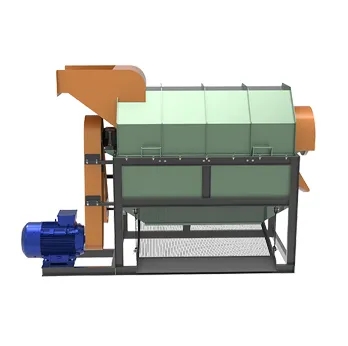 Palm Fruit Splitter
 Palm Nut Fiber Polising Separator
 Palm Nut Splitter
 Vertical Sterilizer Tank
 Sterilizer Hydraulic Door
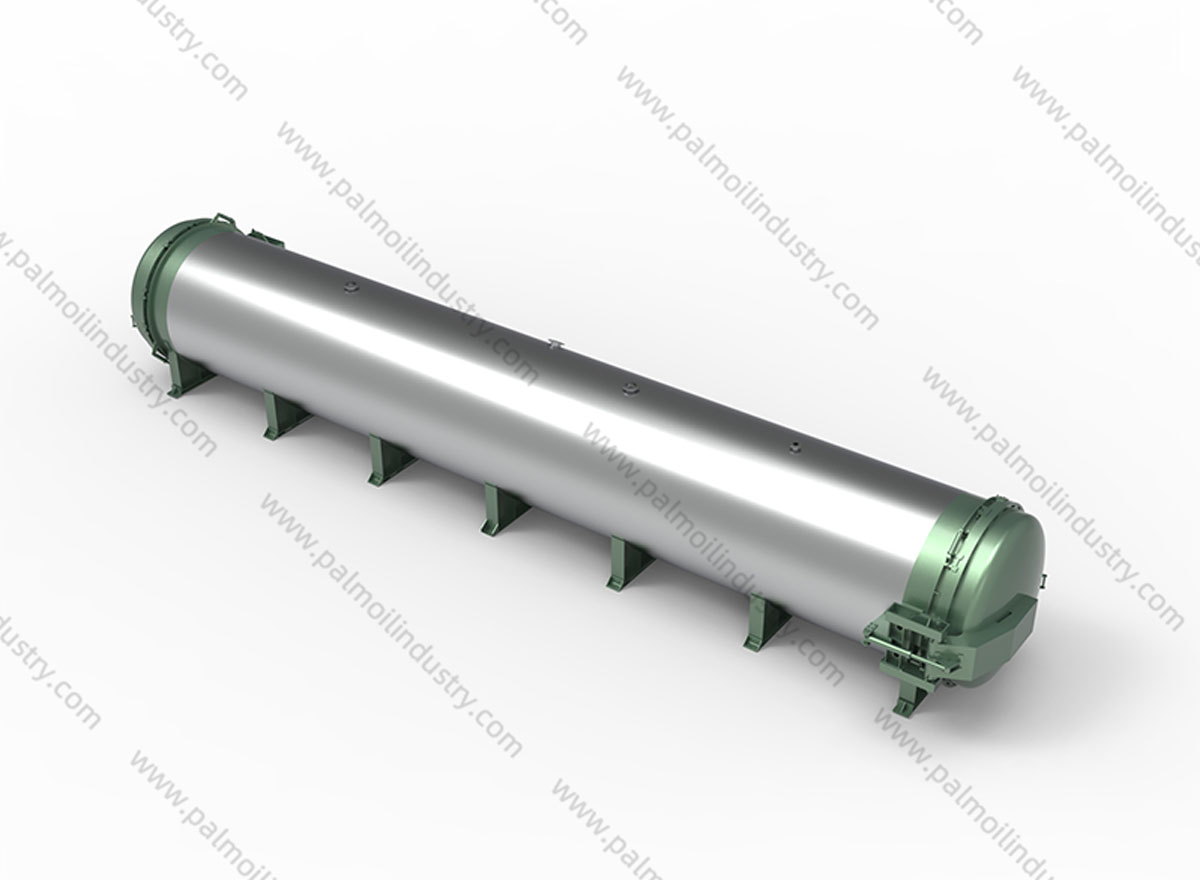
 Horizontal Type Sterilizer Tank
 Transfer Carriage
 Palm Fruit Cage
 Tippler
 Palm Fruit Twin Screw Press
 Palm Kernel Expeller
 Empty Palm Fruit Bunches Press
 Thresher Drum
 Digester
 Palm Nut Crusher(Ripple Mill)
 Nut Polishing Drum
 Palm Kernel & Shell Separate Winnowing System
 Palm Kernel & Shell Separate Hydraulic System
 Clay Bath
 Air Lock
 Nut Grading Screen
 Vertical Oil Clarifier Setting Tank With Stirrer
 Palm Kernel Dryer
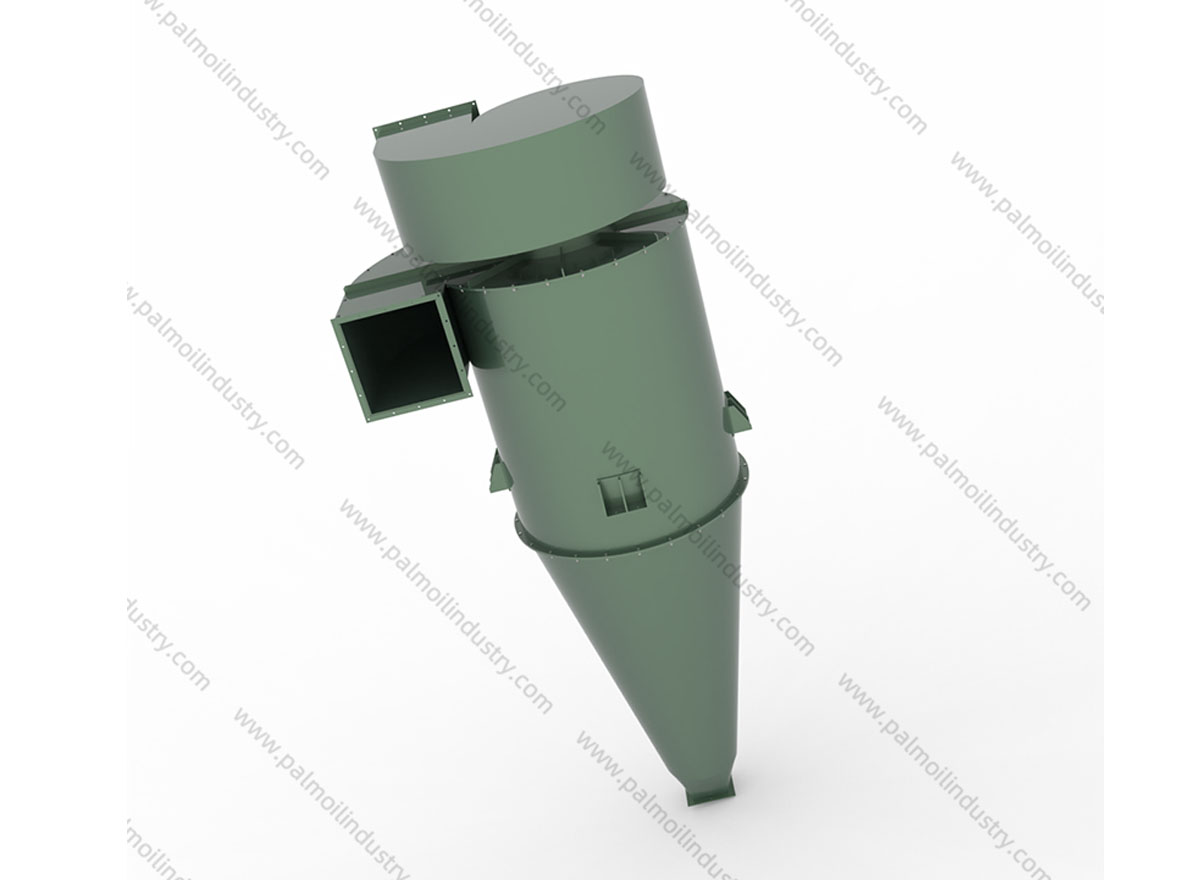
 Fiber Cyclone
 Scraper Conveyor
 Screw Conveyor
 Bucket Elevator
 Back Pressure Vessel
 Palm Kernel Storage Bin
 Palm Nut Hopper
 MBR Water Treatment System
 Hard Bunch Shredder
 Double Deck Circular Vibrating Screen
 Pressure Leaf Filter
 Palm Shell & Kernel Caly Bath Seperator
Palm Kernel Expeller
Palm Kernel & Shell Separate Winnowing System
Palm Kernel & Shell Separate Hydraulic System
Nut Grading Screen
Palm Kernel Dryer
Bucket Elevator
Palm Kernel Storage Bin
Palm Nut Hopper
Pressure Leaf Filter
Palm Shell & Kernel Caly Bath Seperator
Palm Kernel Expeller
Palm Kernel & Shell Separate Winnowing System
Palm Kernel & Shell Separate Hydraulic System
Nut Grading Screen
Palm Kernel Dryer
Bucket Elevator
Palm Kernel Storage Bin
Palm Nut Hopper
Pressure Leaf Filter
 Extruder
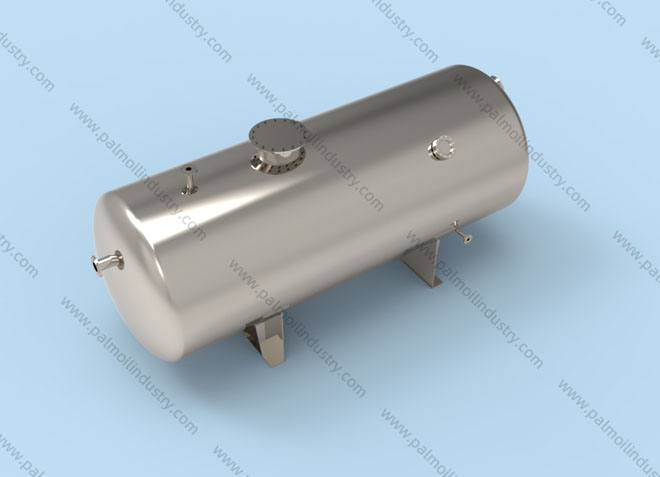
 Process Water Tank
 Condensate Water Tank
 Ring-Type Extractor
 Vertical Extraction Unit
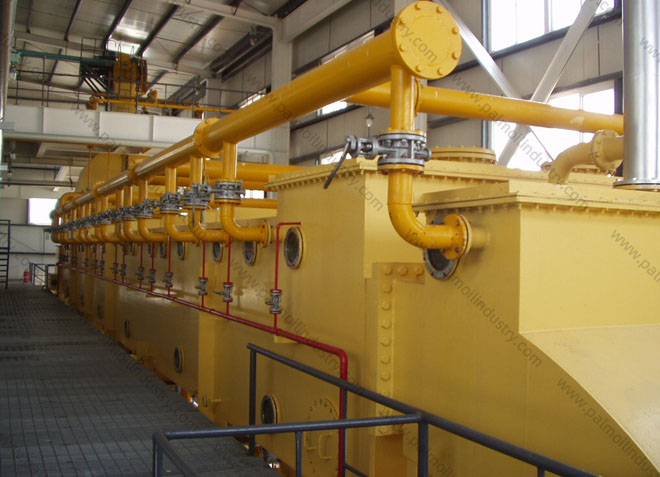
 Horizontal (Plate Chain) Extraction Unit
 Desolventizer DTDC
 Solvent Evaporator for Mixed Oil Extraction
 Vibrating Cleaning Screen
 Submerged Arc Scraper Conveyor
Vertical Sterilizer Tank
Submerged Arc Scraper Conveyor
Vertical Sterilizer Tank
 Membrane Press Filter
 Degassing Tower
 Deodorization Tank
 Fatty Acid Distillation Tower
 Fatty Acid Heavy & Light Phase Distillation Column
 Sweet Water Setting Separation Tank
 Foam Trap
 Degumming Tank
 Decolorization Tank
Process Water Tank
Condensate Water Tank
Decolorization Tank
Process Water Tank
Condensate Water Tank
 Hydrolysis Tower
 Tubular Heater
 Fatty Acid Heater
 Atmospheric Leg Pool
 Fatty Acid Flash Separation Tank
Crystallization Tank
Fatty Acid Flash Separation Tank
Crystallization Tank
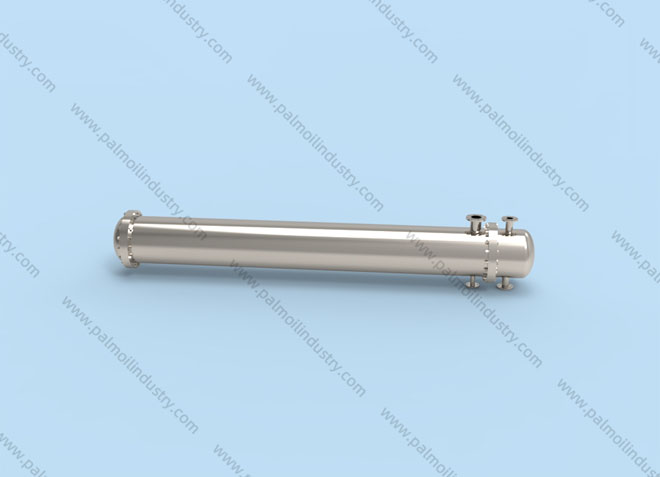
 Shell and Tube Heat Ex-changer Vessels
 Sweet Water Flash Separation Tank
 Glycerin Evaporator
 Glycerol Residue Stripper
 Crude Glycerol Heater
 Glycerol Gas Condenser
 Glycerin Buffer Tank
 Glycerin Distillation Tower
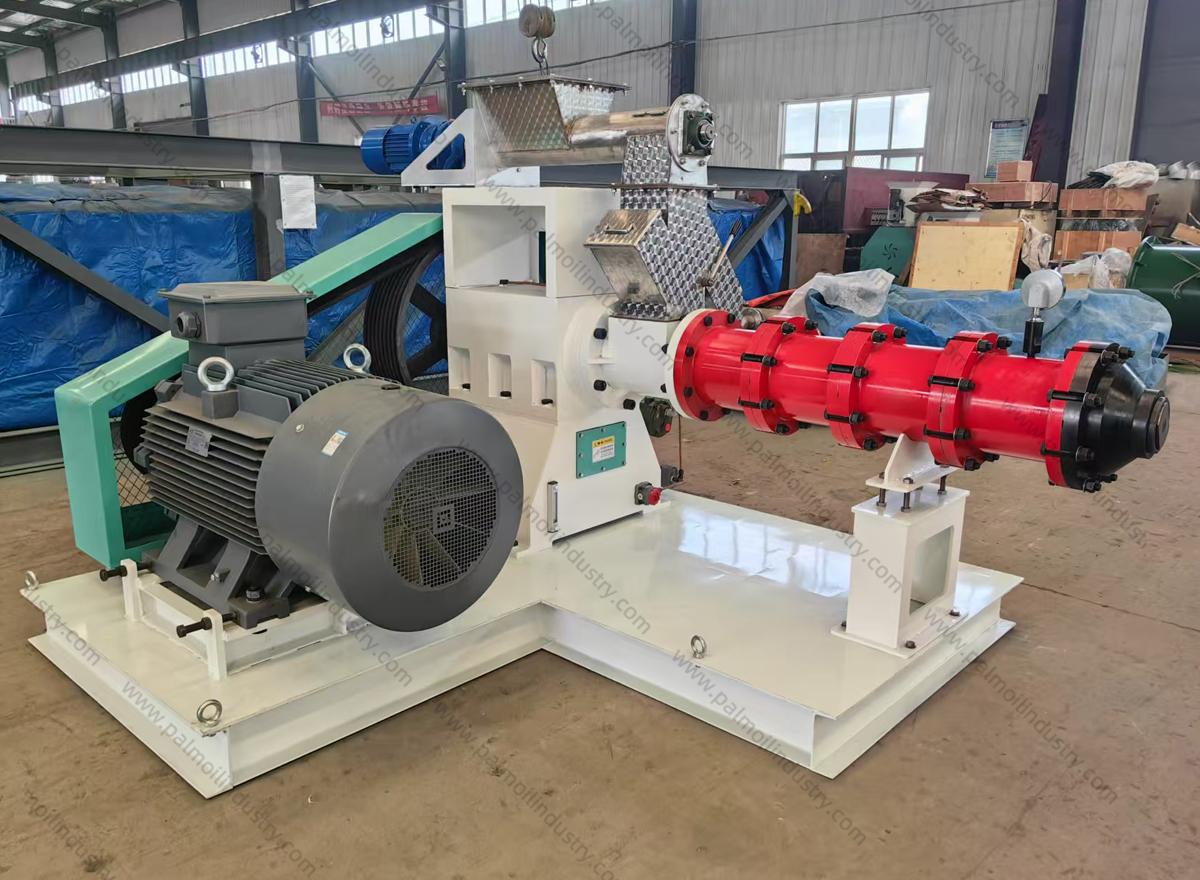
An Extruder is a versatile device that converts mechanical energy into thermal energy. It is widely used in various industries to process materials through extrusion, generating heat through rotation to cook and expand the volume of the material during the process.
The Extruder generates heat through the rotation of its internal components. As the material is fed into the extruder, the rotational motion creates friction and pressure, converting mechanical energy into thermal energy. This heat cooks the material, causing it to expand in volume as it moves through the extrusion chamber.
Food Industry
Processing Various Foods: The Extruder can process a wide range of food materials, including rice, corn, soybeans, wheat, and other grains. It is used to produce various extruded foods such as popcorn, puffed snacks, and breakfast cereals.
Improving Food Texture and Flavor: The extrusion process can modify the texture and flavor of foods. For example, it can create the unique texture of puffed snacks and enhance the taste of breakfast cereals.
Feed Industry
Producing High-Quality Feed: The Extruder is used to manufacture feed for livestock, poultry, aquaculture, and pets. The extrusion process improves the digestibility and utilization rate of the feed while enhancing its palatability.
Enhancing Feed Nutritive Value: The heat and pressure generated during extrusion can improve the nutritional quality of feed ingredients, making them more suitable for animal consumption.
Industrial Applications
Pretreatment of Raw Materials: In the production of vegetable oils and beverages like beer, the Extruder can be used for the pretreatment of raw materials. For example, it can facilitate the extraction of oils by breaking down the cell structures of seeds.
Processing of Industrial Materials: The Extruder can also be used to process various industrial materials, such as plastics and rubber, to achieve specific forms and properties.
By Screw Structure
Single-Screw Extruder: Features a simple structure and is suitable for general extrusion processing. It is cost-effective and easy to maintain.
Twin-Screw Extruder: Capable of handling viscous materials with stable discharge. It is suitable for complex extrusion processes requiring precise control and high mixing efficiency.
By Conditioning Method
Wet Extruder: Steam is added during the conditioning process to adjust the moisture content and temperature of the material, facilitating extrusion and improving product quality.
Dry Extruder: No steam is added during conditioning. It relies on the inherent moisture of the material and the heat generated by mechanical friction, making it suitable for processing materials that require lower moisture content.
Extruder Screw: A key component that transmits mechanical energy and drives the material through the extrusion chamber.
Extruder Discharge Die: Shapes the extruded material as it exits the extruder, determining the final form and size of the product.
Bearing Housing: Supports the rotating parts of the extruder and ensures smooth operation.
Oil Filtration and Cooling System: Maintains the lubrication of the extruder's moving parts and controls the operating temperature to ensure optimal performance and longevity.