Aug 25, 2026

-
 Palm Fruit Splitter
-
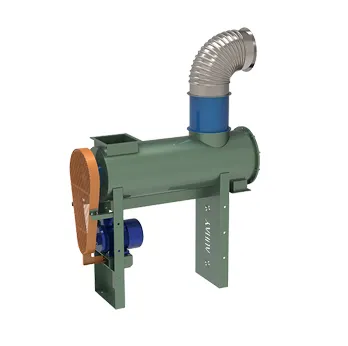 Palm Nut Fiber Polising Separator
-
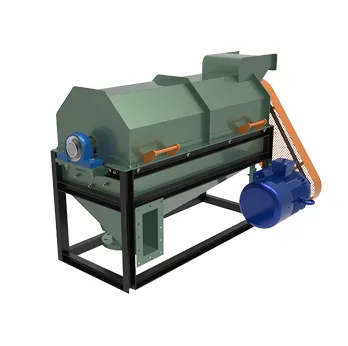 Palm Nut Splitter
-
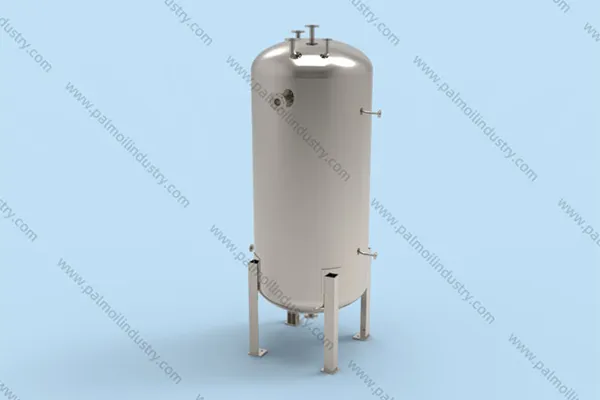
 Vertical Sterilizer Tank
-
 Sterilizer Hydraulic Door
-
 Horizontal Type Sterilizer Tank
-
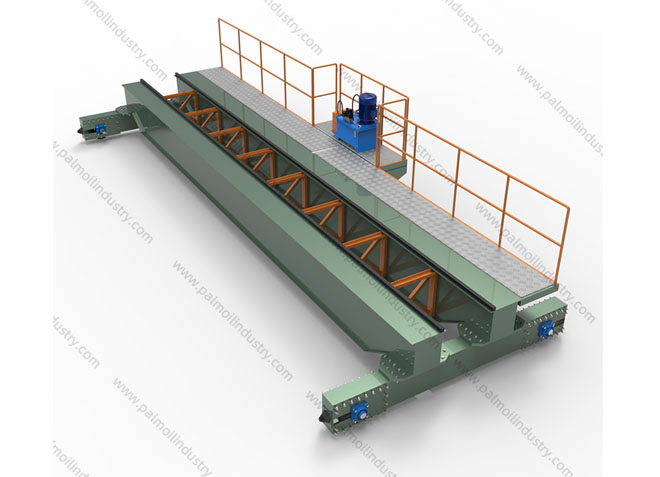
 Transfer Carriage
-
 Palm Fruit Cage
-
 Tippler
-
 Palm Fruit Twin Screw Press
-
 Palm Kernel Expeller
-
 Empty Palm Fruit Bunches Press
-
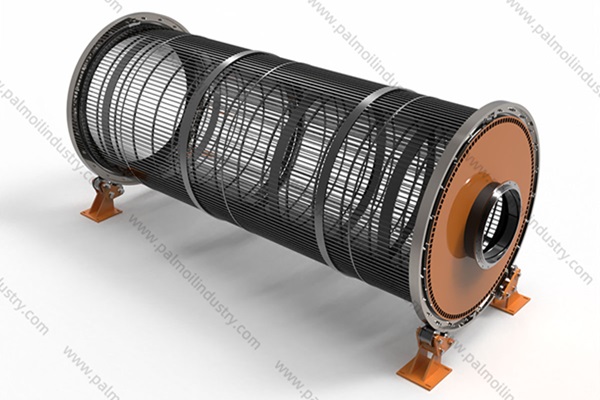
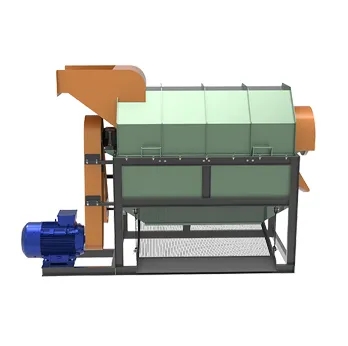
 Thresher Drum
-
 Digester
-
 Palm Nut Crusher(Ripple Mill)
-
 Nut Polishing Drum
-
 Palm Kernel & Shell Separate Winnowing System
-
 Palm Kernel & Shell Separate Hydraulic System
-
 Clay Bath
-
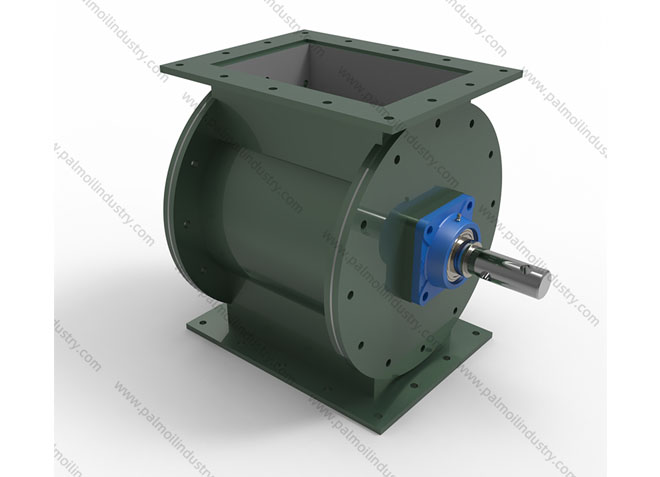
 Air Lock
-
 Nut Grading Screen
-
 Vertical Oil Clarifier Setting Tank With Stirrer
-
 Palm Kernel Dryer
-
 Fiber Cyclone
-
 Scraper Conveyor
-
 Screw Conveyor
-
 Bucket Elevator
-
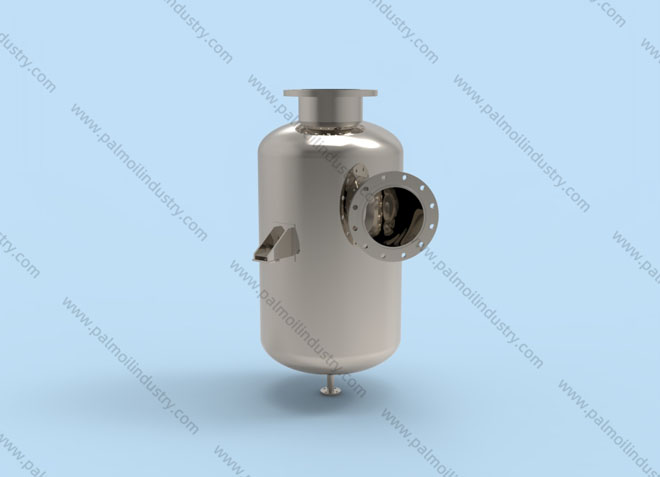
 Back Pressure Vessel
-
 Palm Kernel Storage Bin
-
 Palm Nut Hopper
-
 MBR Water Treatment System
-
 Hard Bunch Shredder
-
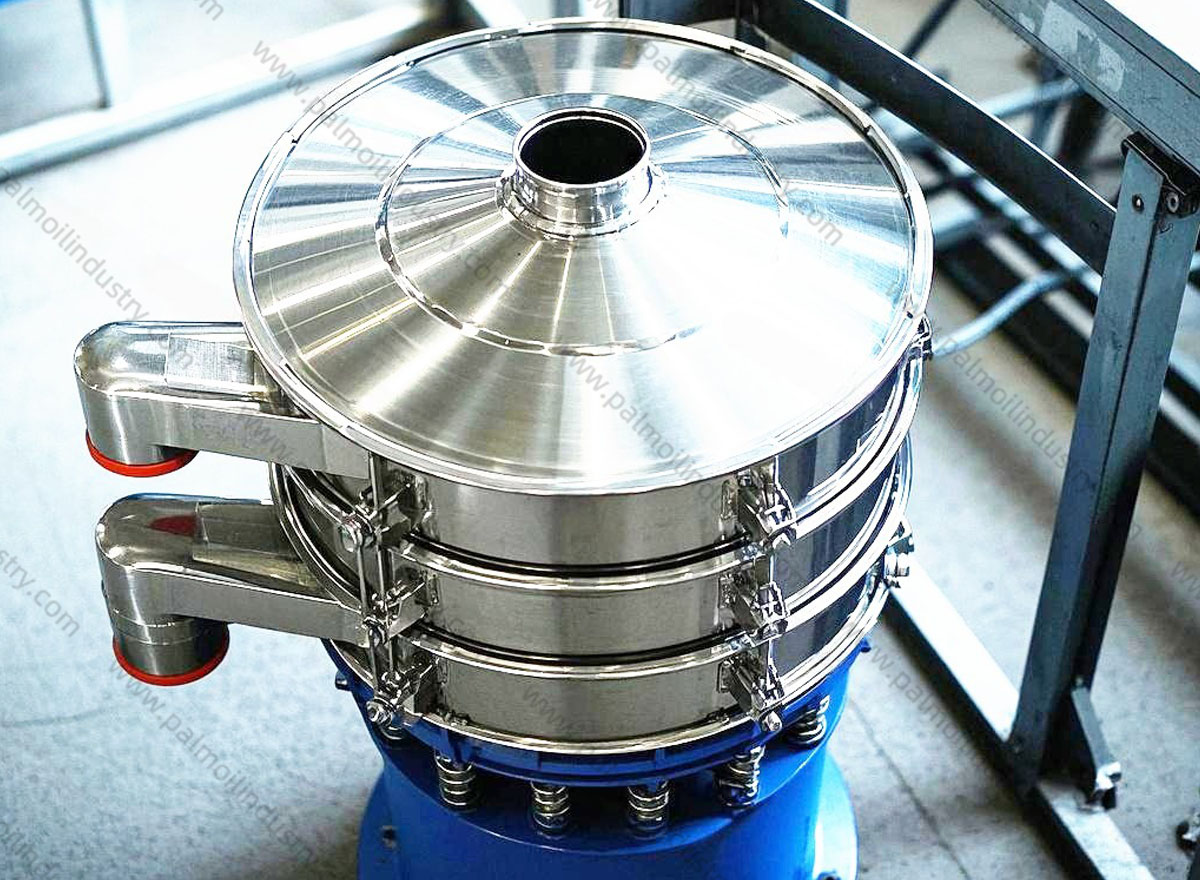
 Double Deck Circular Vibrating Screen
-
 Pressure Leaf Filter
-
 Palm Shell & Kernel Caly Bath Seperator
-
Palm Kernel Expeller
-
Palm Kernel & Shell Separate Winnowing System
-
Palm Kernel & Shell Separate Hydraulic System
-
Nut Grading Screen
-
Palm Kernel Dryer
-
Bucket Elevator
-
Palm Kernel Storage Bin
-
Palm Nut Hopper
-
Pressure Leaf Filter
-
 Extruder
-
 Process Water Tank
-
 Condensate Water Tank
-
 Ring-Type Extractor
-
 Vertical Extraction Unit
-
 Horizontal (Plate Chain) Extraction Unit
-
 Desolventizer DTDC
-
 Solvent Evaporator for Mixed Oil Extraction
-
 Vibrating Cleaning Screen
-
 Submerged Arc Scraper Conveyor
-
Vertical Sterilizer Tank
-
 Membrane Press Filter
-
 Degassing Tower
-
 Deodorization Tank
-
 Fatty Acid Distillation Tower
-
 Fatty Acid Heavy & Light Phase Distillation Column
-
 Sweet Water Setting Separation Tank
-
 Foam Trap
-
 Degumming Tank
-
 Decolorization Tank
-
Process Water Tank
-
Condensate Water Tank
-
 Hydrolysis Tower
-
 Tubular Heater
-
 Fatty Acid Heater
-
 Atmospheric Leg Pool
-
 Fatty Acid Flash Separation Tank
-
Crystallization Tank
-
 Shell and Tube Heat Ex-changer Vessels
-
 Sweet Water Flash Separation Tank
-
 Glycerin Evaporator
-
 Glycerol Residue Stripper
-
 Crude Glycerol Heater
-
 Glycerol Gas Condenser
-
 Glycerin Buffer Tank
-
 Glycerin Distillation Tower
WHAT ARE YOU LOOKING FOR?