Phone:
+86-13598092101
Aug 28, 2026

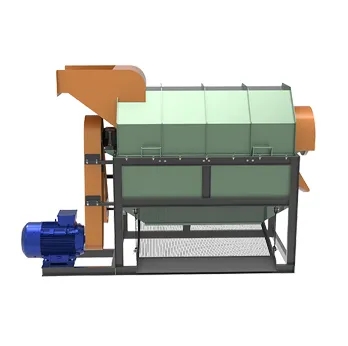 Palm Fruit Splitter
 Palm Nut Fiber Polising Separator
 Palm Nut Splitter
 Vertical Sterilizer Tank
 Sterilizer Hydraulic Door
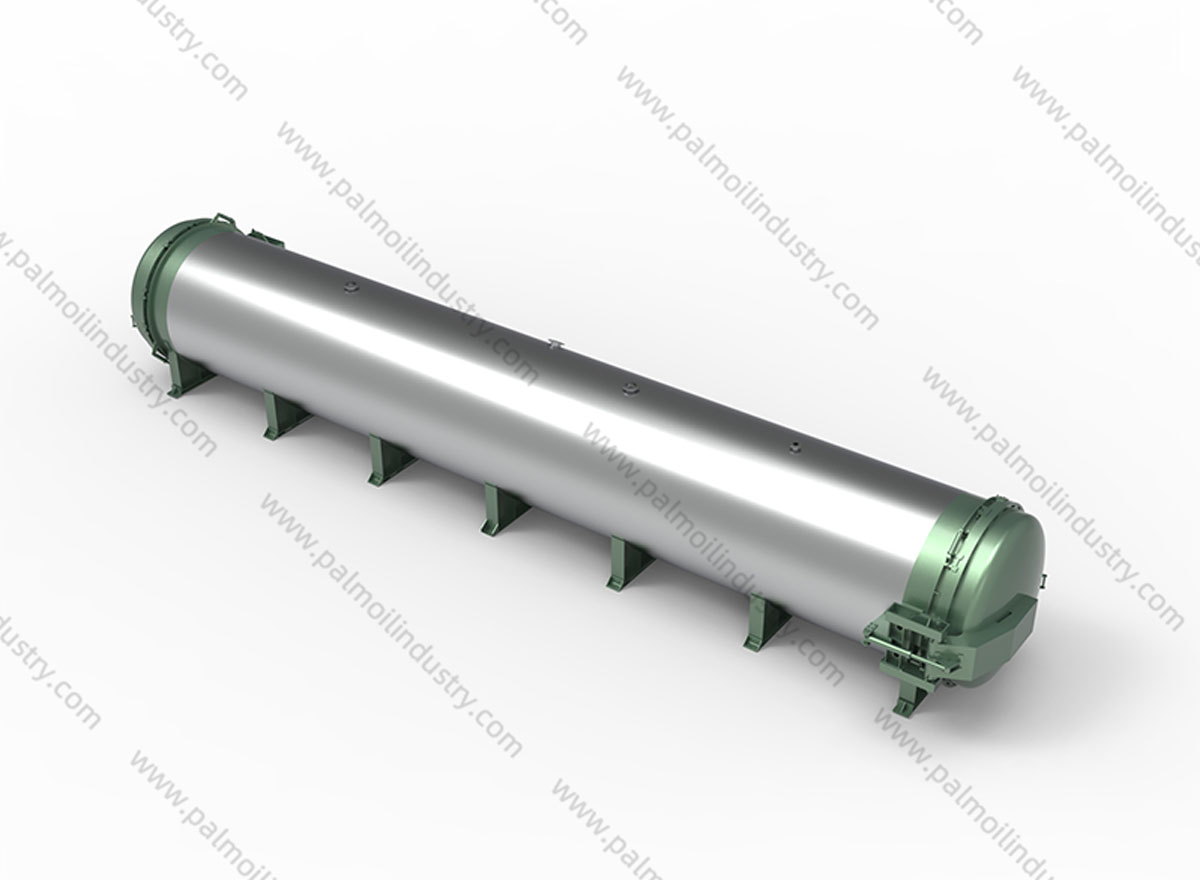
 Horizontal Type Sterilizer Tank
 Transfer Carriage
 Palm Fruit Cage
 Tippler
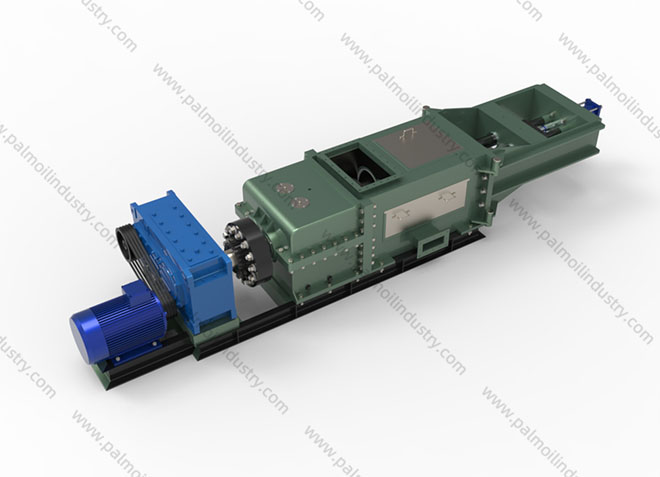
 Palm Fruit Twin Screw Press
 Palm Kernel Expeller
 Empty Palm Fruit Bunches Press
 Thresher Drum
 Digester
 Palm Nut Crusher(Ripple Mill)
 Nut Polishing Drum
 Palm Kernel & Shell Separate Winnowing System
 Palm Kernel & Shell Separate Hydraulic System
 Clay Bath
 Air Lock
 Nut Grading Screen
 Vertical Oil Clarifier Setting Tank With Stirrer
 Palm Kernel Dryer
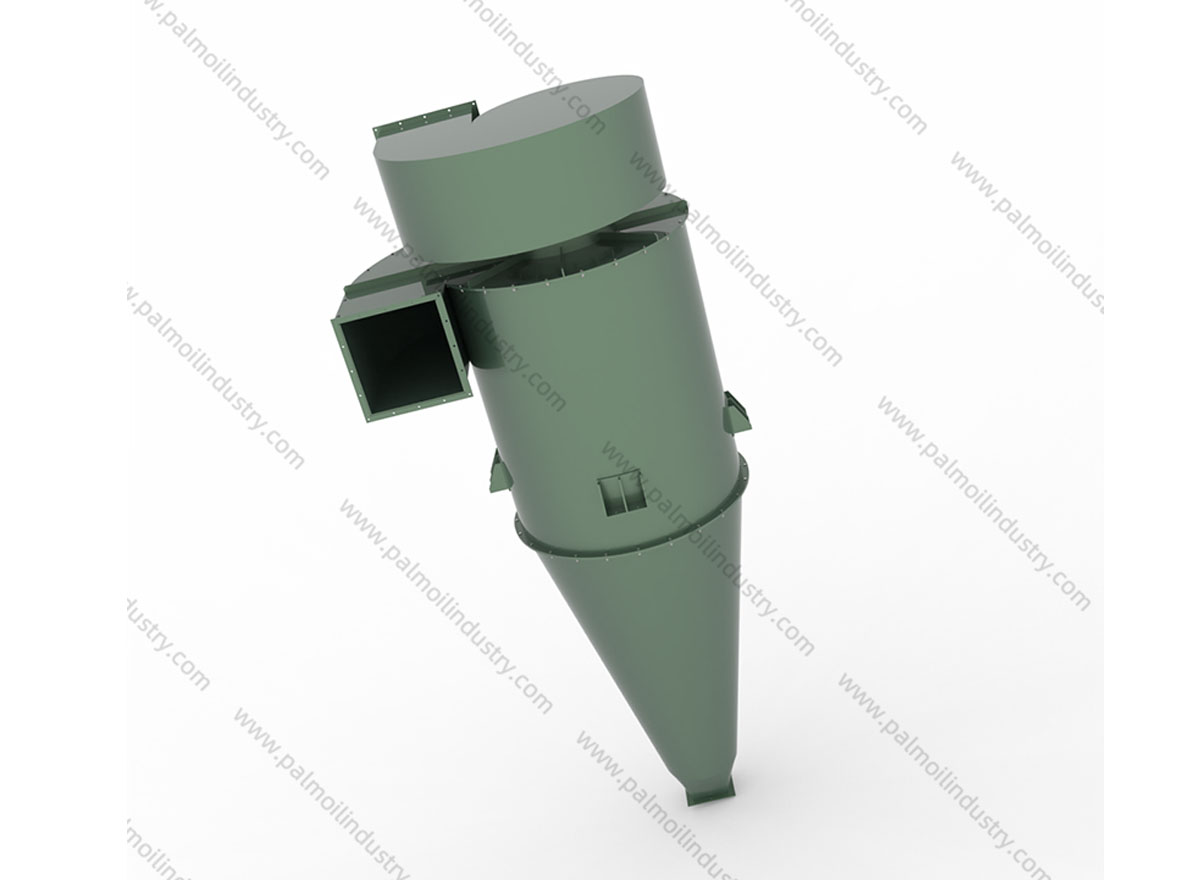
 Fiber Cyclone
 Scraper Conveyor
 Screw Conveyor
 Bucket Elevator
 Back Pressure Vessel
 Palm Kernel Storage Bin
 Palm Nut Hopper
 MBR Water Treatment System
 Hard Bunch Shredder
 Double Deck Circular Vibrating Screen
 Pressure Leaf Filter
 Palm Shell & Kernel Caly Bath Seperator
Palm Kernel Expeller
Palm Kernel & Shell Separate Winnowing System
Palm Kernel & Shell Separate Hydraulic System
Nut Grading Screen
Palm Kernel Dryer
Bucket Elevator
Palm Kernel Storage Bin
Palm Nut Hopper
Pressure Leaf Filter
Palm Shell & Kernel Caly Bath Seperator
Palm Kernel Expeller
Palm Kernel & Shell Separate Winnowing System
Palm Kernel & Shell Separate Hydraulic System
Nut Grading Screen
Palm Kernel Dryer
Bucket Elevator
Palm Kernel Storage Bin
Palm Nut Hopper
Pressure Leaf Filter
 Extruder
 Process Water Tank
 Condensate Water Tank
 Ring-Type Extractor
 Vertical Extraction Unit
 Horizontal (Plate Chain) Extraction Unit
 Desolventizer DTDC
 Solvent Evaporator for Mixed Oil Extraction
 Vibrating Cleaning Screen
 Submerged Arc Scraper Conveyor
Vertical Sterilizer Tank
Submerged Arc Scraper Conveyor
Vertical Sterilizer Tank
 Membrane Press Filter
 Degassing Tower
 Deodorization Tank
 Fatty Acid Distillation Tower
 Fatty Acid Heavy & Light Phase Distillation Column
 Sweet Water Setting Separation Tank
 Foam Trap
 Degumming Tank
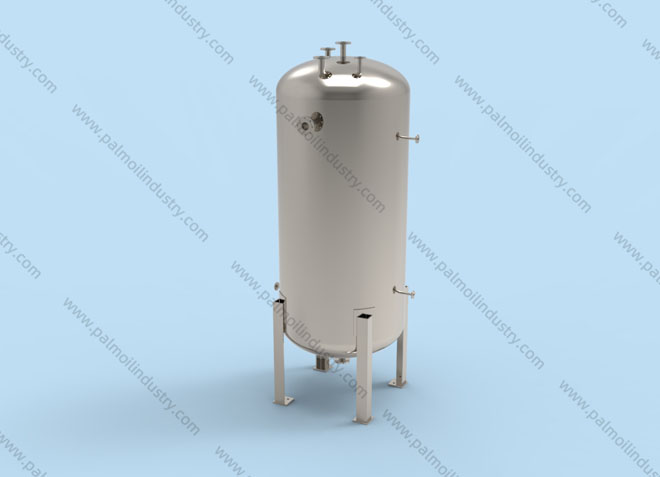
 Decolorization Tank
Process Water Tank
Condensate Water Tank
Decolorization Tank
Process Water Tank
Condensate Water Tank
 Hydrolysis Tower
 Tubular Heater
 Fatty Acid Heater
 Atmospheric Leg Pool
 Fatty Acid Flash Separation Tank
Crystallization Tank
Fatty Acid Flash Separation Tank
Crystallization Tank
 Shell and Tube Heat Ex-changer Vessels
 Sweet Water Flash Separation Tank
 Glycerin Evaporator
 Glycerol Residue Stripper
 Crude Glycerol Heater
 Glycerol Gas Condenser
 Glycerin Buffer Tank
 Glycerin Distillation Tower
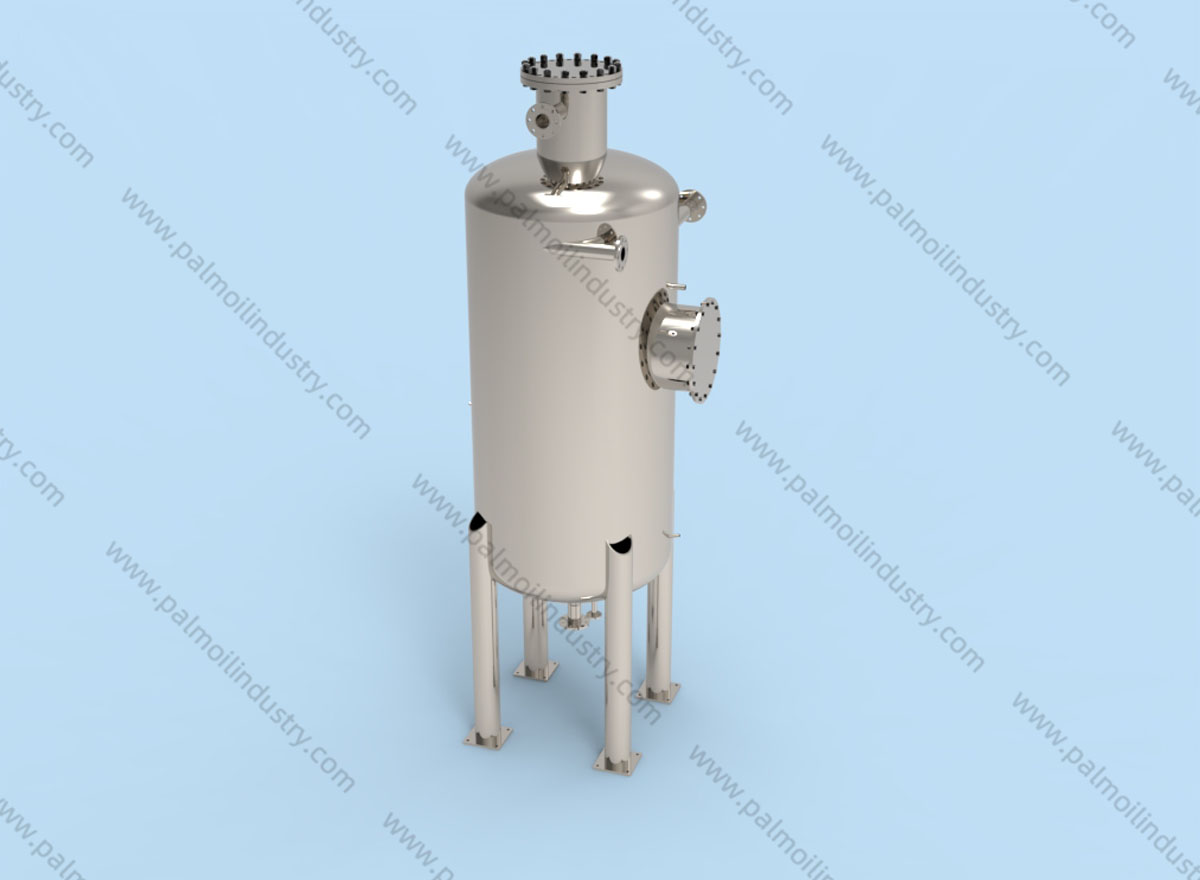
A decolorization tank is a piece of equipment widely used in industrial production, primarily for removing color, impurities, and odors from high-pigment solutions. It utilizes physical adsorption or chemical reactions to remove colored substances, impurities, and odor components from the solution, thereby enhancing the purity and quality of the product.
Decolorization tanks are widely used in the following fields:
Food industry: Used for decolorization and purification of products such as refined sugar, monosodium glutamate, glucose, and starch sugar.
Pharmaceutical industry: Used for decolorization and removal of pyrogens in pharmaceutical intermediates and liquid formulations.
Chemical industry: Used for decolorization and purification of chemical additives and dye intermediates.
Oil and fat industry: Used for decolorization and purification of oils and fats.
The working principle of decolorization tanks primarily relies on processes such as adsorption, chemical reactions, or physical separation. The following are several common decolorization methods:
Adsorption Method
Decolorization tanks are typically filled with adsorbents such as activated carbon or activated clay. When the solution passes through the decolorization tank, the microporous structure on the surface of the adsorbent can adsorb pigment molecules and remove them from the solution. This method is suitable for removing color and impurities from the solution.
Chemical Reaction Method
Certain decolorizing agents can react chemically with the coloring substances in the solution, destroying the chromophore groups and thereby achieving decolorization. This method is commonly used for treating high-color wastewater such as dyeing and printing wastewater.
Physical Separation Method
Impurities and pigments in the solution are separated using physical methods such as filtration or centrifugation.
Vertical fully enclosed structure: Prevents dust contamination and ensures a clean operating environment.
Customized stirring device: The stirring device is customized according to material characteristics to ensure good decolorization effects, smooth stirring transmission, and low noise.
Jacketed heating: The tank is equipped with a jacket that can be heated by circulating steam or hot water, enabling activated carbon powder to mix and stir thoroughly with the material inside the tank before adsorption decolorization.
Insulation layer: An insulation layer is installed outside the jacket, filled with high- temperature resistant and aging-resistant pearl cotton, providing excellent thermal insulation and heat retention.
Hygienic Design: The inner tank surface undergoes mirror polishing with a surface roughness of Ra ≤ 0.6 µm. All process openings such as inlet/outlet ports, sight glasses, and manholes are seamlessly welded to the inner tank using a stretched flange process with smooth, rounded transitions, ensuring easy cleaning with no dead corners.
High-Efficiency Decolorization: Effectively removes color and impurities from solutions through adsorption or chemical reactions.
Multi-Functional Integration: The decolorization tank not only performs decolorization but can also be integrated with filtration, drying, and other processes for multi-functional operation.
Energy-Saving and Cost-Effective: Optimizes heating and stirring processes to reduce energy consumption.
Environmental Protection: Reduces the use of chemical agents, minimizing environmental pollution.
Stable Operation: Features a rational structural design for stable operation and low maintenance costs.
Oil Decolorization
In oil refining processes, decolorization tanks are used to remove pigments and impurities from oils, enhancing their purity and stability.
Textile Dyeing Wastewater Treatment
In textile dyeing wastewater treatment, decolorization agents remove color from wastewater through chemical reactions, reduce chemical oxygen demand (COD), and improve water quality.
The decolorization tank is a highly efficient, multi-functional industrial equipment widely used in the food, pharmaceutical, chemical, and oil industries. Through adsorption, chemical reactions, or physical separation methods, the decolorization tank effectively removes color, impurities, and odors from solutions, improving product purity and quality. Its fully enclosed structure, custom stirring device, and jacket heating design ensure operational efficiency and stability.