Phone:
+86-13598092101
Aug 28, 2026

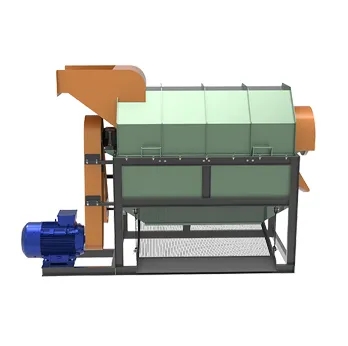 Palm Fruit Splitter
 Palm Nut Fiber Polising Separator
 Palm Nut Splitter
 Vertical Sterilizer Tank
 Sterilizer Hydraulic Door
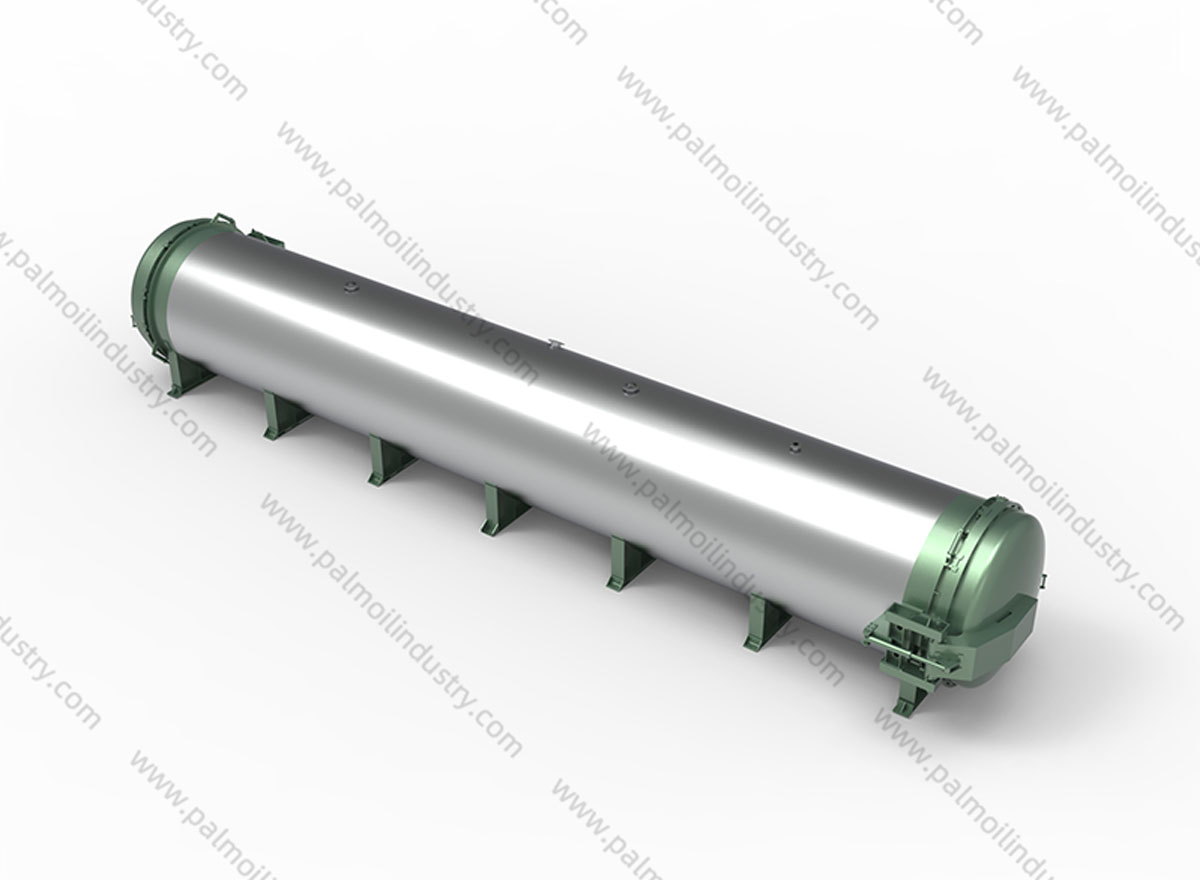
 Horizontal Type Sterilizer Tank
 Transfer Carriage
 Palm Fruit Cage
 Tippler
 Palm Fruit Twin Screw Press
 Palm Kernel Expeller
 Empty Palm Fruit Bunches Press
 Thresher Drum
 Digester
 Palm Nut Crusher(Ripple Mill)
 Nut Polishing Drum
 Palm Kernel & Shell Separate Winnowing System
 Palm Kernel & Shell Separate Hydraulic System
 Clay Bath
 Air Lock
 Nut Grading Screen
 Vertical Oil Clarifier Setting Tank With Stirrer
 Palm Kernel Dryer
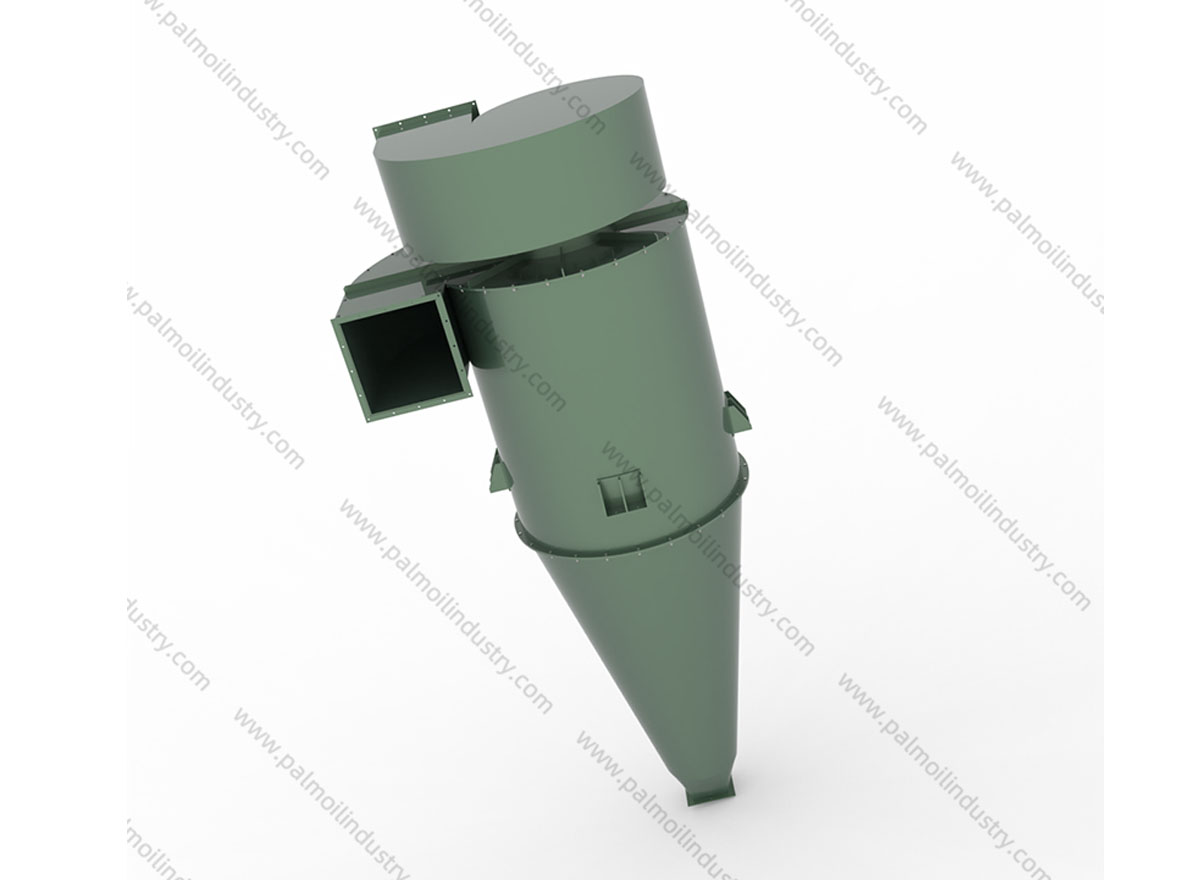
 Fiber Cyclone
 Scraper Conveyor
 Screw Conveyor
 Bucket Elevator
 Back Pressure Vessel
 Palm Kernel Storage Bin
 Palm Nut Hopper
 MBR Water Treatment System
 Hard Bunch Shredder
 Double Deck Circular Vibrating Screen
 Pressure Leaf Filter
 Palm Shell & Kernel Caly Bath Seperator
Palm Kernel Expeller
Palm Kernel & Shell Separate Winnowing System
Palm Kernel & Shell Separate Hydraulic System
Nut Grading Screen
Palm Kernel Dryer
Bucket Elevator
Palm Kernel Storage Bin
Palm Nut Hopper
Pressure Leaf Filter
Palm Shell & Kernel Caly Bath Seperator
Palm Kernel Expeller
Palm Kernel & Shell Separate Winnowing System
Palm Kernel & Shell Separate Hydraulic System
Nut Grading Screen
Palm Kernel Dryer
Bucket Elevator
Palm Kernel Storage Bin
Palm Nut Hopper
Pressure Leaf Filter
 Extruder
 Process Water Tank
 Condensate Water Tank
 Ring-Type Extractor
 Vertical Extraction Unit
 Horizontal (Plate Chain) Extraction Unit
 Desolventizer DTDC
 Solvent Evaporator for Mixed Oil Extraction
 Vibrating Cleaning Screen
 Submerged Arc Scraper Conveyor
Vertical Sterilizer Tank
Submerged Arc Scraper Conveyor
Vertical Sterilizer Tank
 Membrane Press Filter
 Degassing Tower
 Deodorization Tank
 Fatty Acid Distillation Tower
 Fatty Acid Heavy & Light Phase Distillation Column
 Sweet Water Setting Separation Tank
 Foam Trap
 Degumming Tank
 Decolorization Tank
Process Water Tank
Condensate Water Tank
Decolorization Tank
Process Water Tank
Condensate Water Tank
 Hydrolysis Tower
 Tubular Heater
 Fatty Acid Heater
 Atmospheric Leg Pool
 Fatty Acid Flash Separation Tank
Crystallization Tank
Fatty Acid Flash Separation Tank
Crystallization Tank
 Shell and Tube Heat Ex-changer Vessels
 Sweet Water Flash Separation Tank
 Glycerin Evaporator
 Glycerol Residue Stripper
 Crude Glycerol Heater
 Glycerol Gas Condenser
 Glycerin Buffer Tank
 Glycerin Distillation Tower
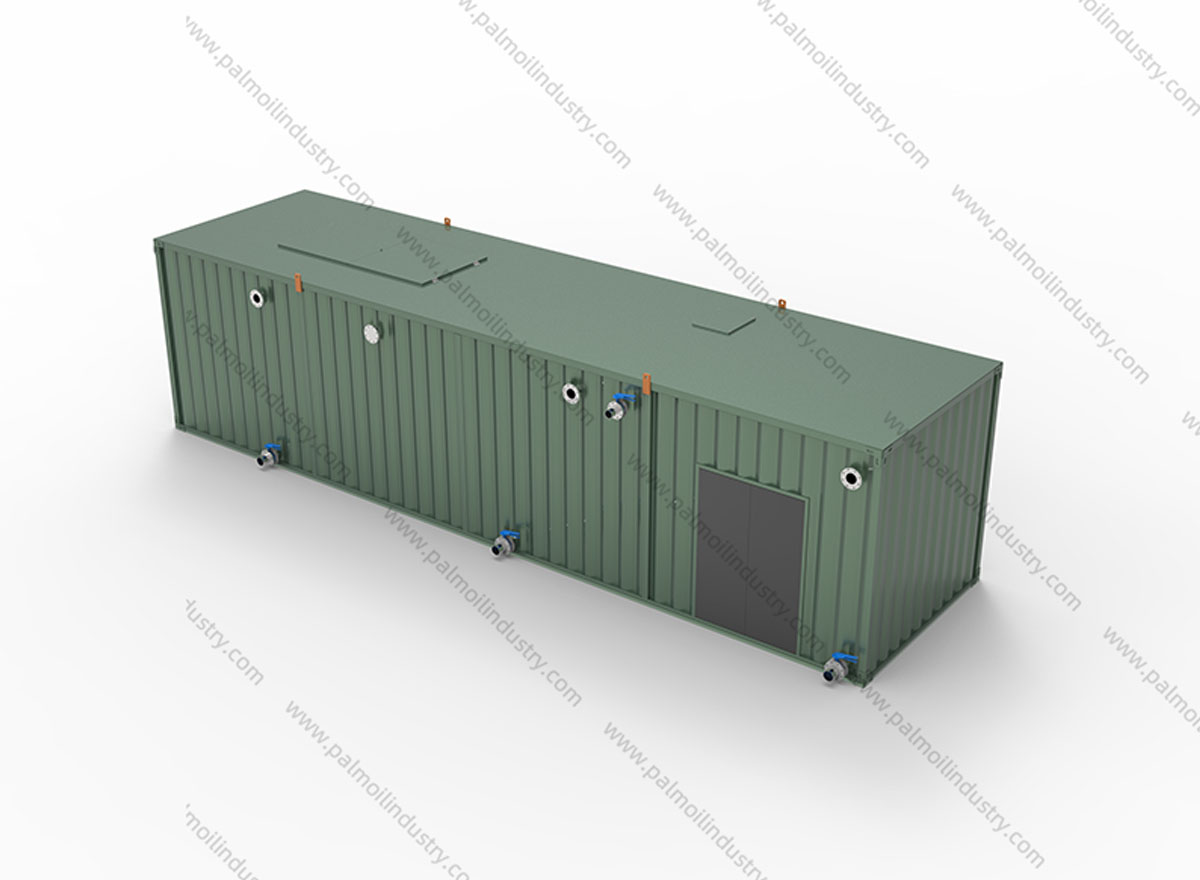
The MBR (Membrane Bioreactor) Water Treatment System is an advanced wastewater treatment solution that combines biological degradation with membrane separation technology. It is designed to efficiently treat sewage and produce high - quality effluent suitable for reuse or discharge.
After the sewage enters the bioreactor, microorganisms decompose and metabolize the pollutants. The mixed liquid then enters the membrane component. Under pressure or suction, water passes through the membrane pores to become treated effluent. The membrane retains microorganisms, macromolecular organic matter, and other solids, which are returned to the bioreactor to continue participating in the reaction.
Membrane Separation Component: The core of the MBR system (often referred to as the mbr process in water treatment), it achieves solid–liquid separation. Common forms include plate and frame, spiral roll, circular tube, hollow fiber, and capillary types. The term mbr full form in water treatment refers to “Membrane Bioreactor,” which highlights the combination of membrane filtration and biological treatment.
Bioreactor: Provides a habitat for microorganisms to degrade and remove pollutants in the wastewater.
High - Quality and Stable Effluent: Suspended solids and turbidity are nearly zero, with significant removal of bacteria and viruses.
Low Sludge Production: Operates at high volumetric load and low sludge load, potentially achieving zero sludge discharge.
Small Footprint: High microbial concentration in the bioreactor, eliminating the need for a secondary sedimentation tank and saving space.
Effective Removal of Ammonia Nitrogen and Refractory Organics: Captures slow - growing microorganisms like nitrifying bacteria, enhancing degradation of refractory organics.
Easy Operation and Management: Complete separation of hydraulic and sludge retention times, with easy automation.
Easy Integration with Traditional Processes: Can be used as a advanced treatment unit in traditional wastewater treatment processes.