Phone:
+86-13598092101
Aug 28, 2026

 Palm Fruit Splitter
 Palm Nut Fiber Polising Separator
 Palm Nut Splitter
 Vertical Sterilizer Tank
 Sterilizer Hydraulic Door
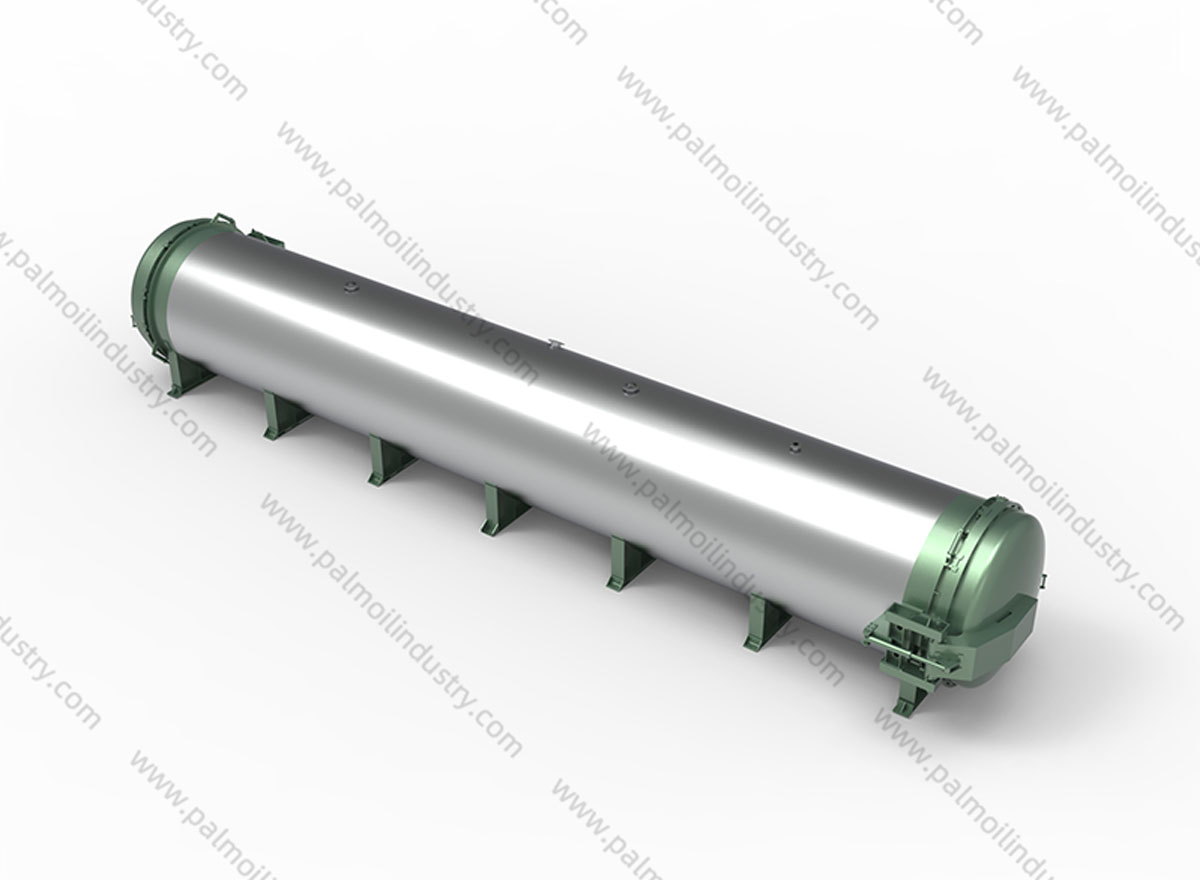
 Horizontal Type Sterilizer Tank
 Transfer Carriage
 Palm Fruit Cage
 Tippler
 Palm Fruit Twin Screw Press
 Palm Kernel Expeller
 Empty Palm Fruit Bunches Press
 Thresher Drum
 Digester
 Palm Nut Crusher(Ripple Mill)
 Nut Polishing Drum
 Palm Kernel & Shell Separate Winnowing System
 Palm Kernel & Shell Separate Hydraulic System
 Clay Bath
 Air Lock
 Nut Grading Screen
 Vertical Oil Clarifier Setting Tank With Stirrer
 Palm Kernel Dryer
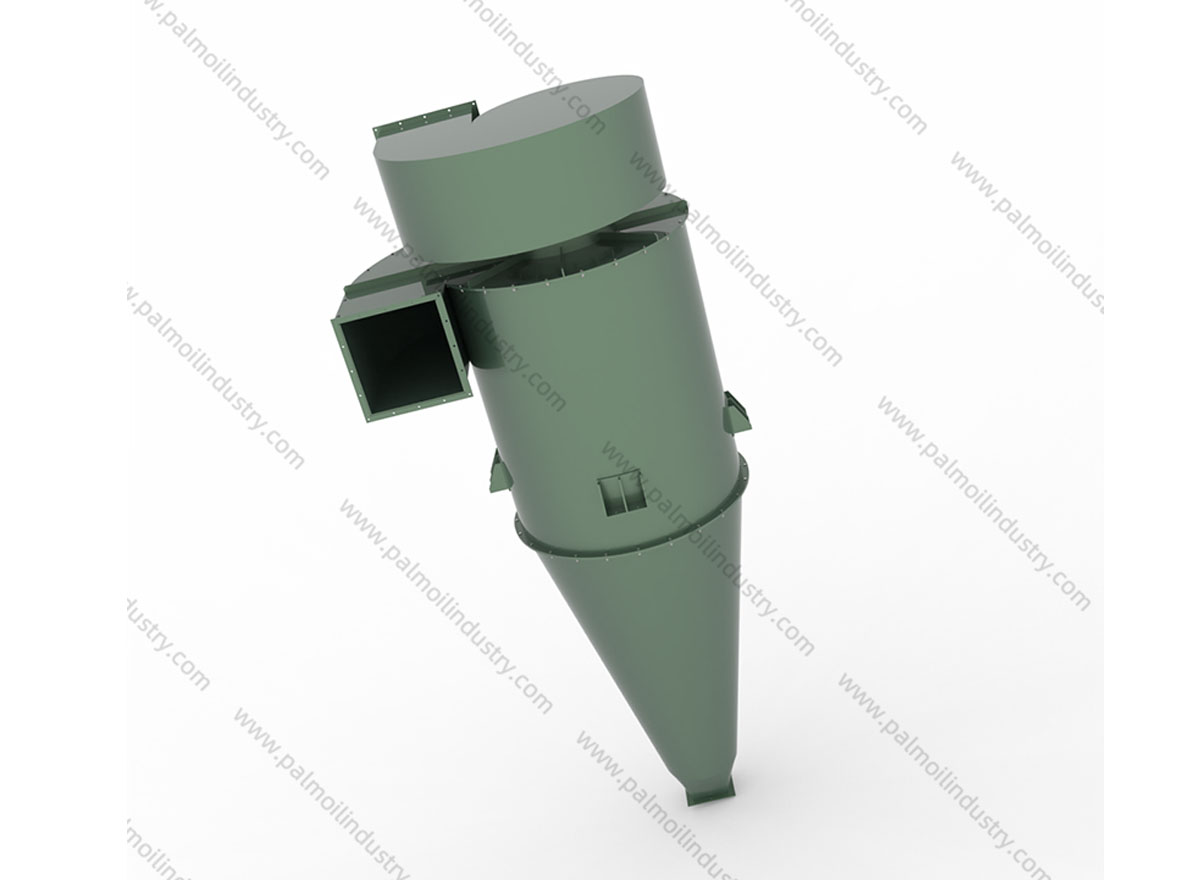
 Fiber Cyclone
 Scraper Conveyor
 Screw Conveyor
 Bucket Elevator
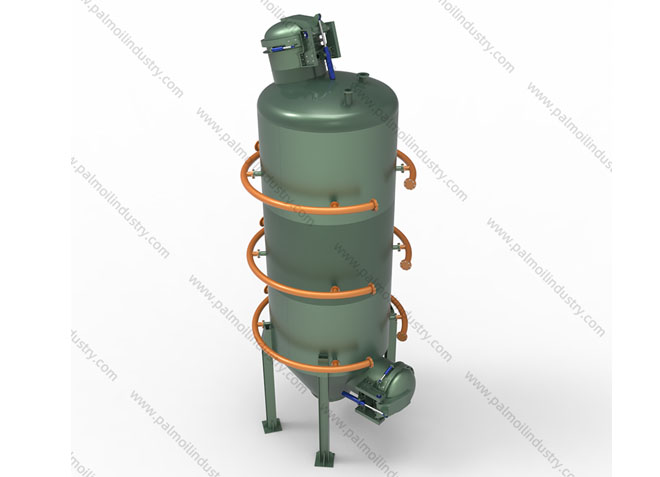
 Back Pressure Vessel
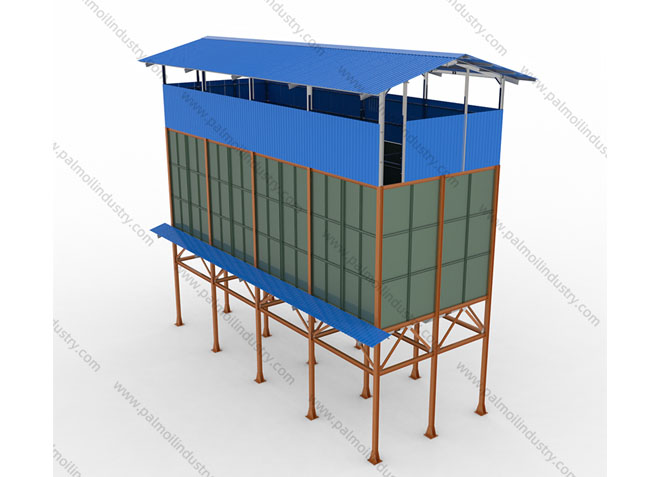
 Palm Kernel Storage Bin
 Palm Nut Hopper
 MBR Water Treatment System
 Hard Bunch Shredder
 Double Deck Circular Vibrating Screen
 Pressure Leaf Filter
 Palm Shell & Kernel Caly Bath Seperator
Palm Kernel Expeller
Palm Kernel & Shell Separate Winnowing System
Palm Kernel & Shell Separate Hydraulic System
Nut Grading Screen
Palm Kernel Dryer
Bucket Elevator
Palm Kernel Storage Bin
Palm Nut Hopper
Pressure Leaf Filter
Palm Shell & Kernel Caly Bath Seperator
Palm Kernel Expeller
Palm Kernel & Shell Separate Winnowing System
Palm Kernel & Shell Separate Hydraulic System
Nut Grading Screen
Palm Kernel Dryer
Bucket Elevator
Palm Kernel Storage Bin
Palm Nut Hopper
Pressure Leaf Filter
 Extruder
 Process Water Tank
 Condensate Water Tank
 Ring-Type Extractor
 Vertical Extraction Unit
 Horizontal (Plate Chain) Extraction Unit
 Desolventizer DTDC
 Solvent Evaporator for Mixed Oil Extraction
 Vibrating Cleaning Screen
 Submerged Arc Scraper Conveyor
Vertical Sterilizer Tank
Submerged Arc Scraper Conveyor
Vertical Sterilizer Tank
 Membrane Press Filter
 Degassing Tower
 Deodorization Tank
 Fatty Acid Distillation Tower
 Fatty Acid Heavy & Light Phase Distillation Column
 Sweet Water Setting Separation Tank
 Foam Trap
 Degumming Tank
 Decolorization Tank
Process Water Tank
Condensate Water Tank
Decolorization Tank
Process Water Tank
Condensate Water Tank
 Hydrolysis Tower
 Tubular Heater
 Fatty Acid Heater
 Atmospheric Leg Pool
 Fatty Acid Flash Separation Tank
Crystallization Tank
Fatty Acid Flash Separation Tank
Crystallization Tank
 Shell and Tube Heat Ex-changer Vessels
 Sweet Water Flash Separation Tank
 Glycerin Evaporator
 Glycerol Residue Stripper
 Crude Glycerol Heater
 Glycerol Gas Condenser
 Glycerin Buffer Tank
 Glycerin Distillation Tower
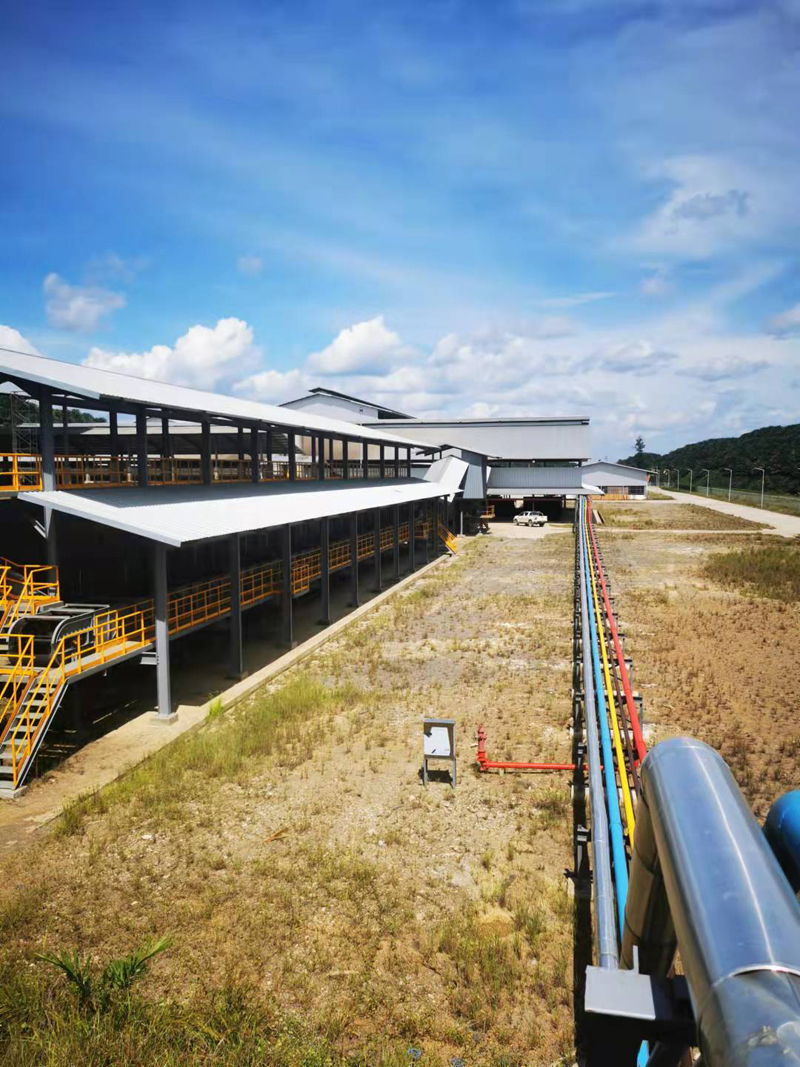
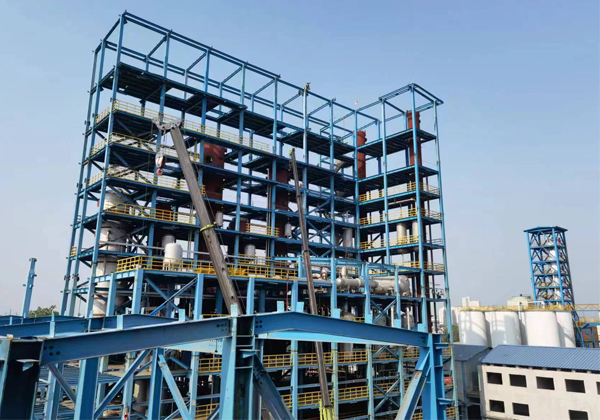
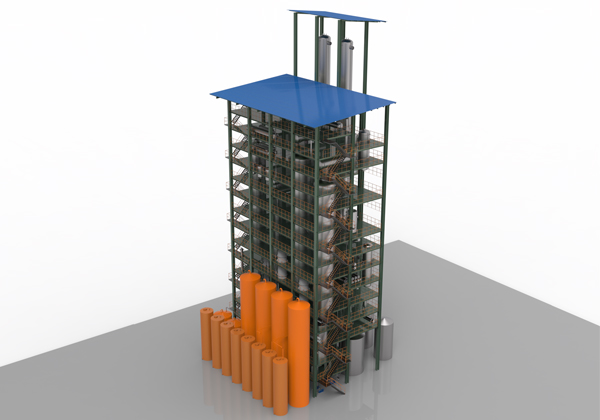
This solution covers all aspects of a palm oil mill, from the initial design and planning stages to commissioning and ongoing operation.
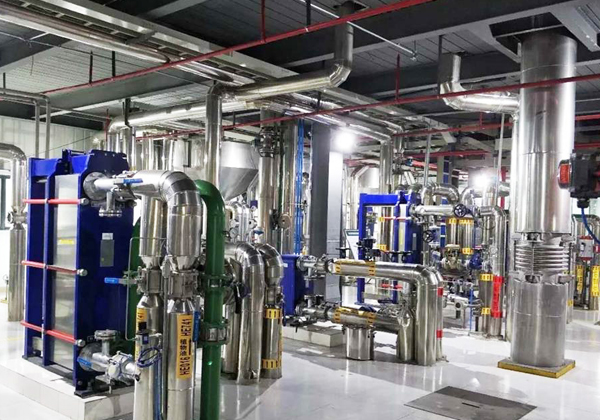
YAHUA uses advanced technology, high-quality equipment, and a professional service team to ensure that the entire process runs efficiently and stably.
The palm oil press production line we have developed and designed, backed by advanced palm oil engineering expertise, features high oil yield and low production costs while meeting environmental protection and oil quality standards. Leveraging our strengths in palm oil engineering, we can customize design solutions for large, medium, and small-scale construction projects based on customers' requirements for different production capacities.
Palm oil is one of the most important vegetable oils globally, widely used in food, cosmetics, and chemical industries. With the continuous growth in demand for palm oil, establishing an efficient and sustainable palm oil pressing plant has become crucial for producers. Guided by professional palm oil engineering principles, our palm oil pressing plant solutions are designed to meet these needs, providing customers with one-stop services ranging from plant planning and equipment procurement to installation, commissioning, and comprehensive after-sales support.

Fresh fruit bunch sterilization: Fresh palm fruit bunches are loaded into sterilization tanks via a scraper conveyor and steamed at high temperatures (145°C steam) for 80– 90 minutes, thereby reducing enzyme activity and inhibiting the increase in free fatty acids (FFA). This ensures the quality of crude palm oil and provides conditions for subsequent processes.
Pressing: After sterilization and threshing, the fruit kernels enter the crushing tank, where they are stirred and crushed into a paste. They then enter a twin-screw press for squeezing, where oil and water are extracted, and the press cake, consisting of palm kernels and fruit flesh fibers, is separated and broken up by a screw conveyor to the next stage.
Oil clarification: The oil clarification station reduces the moisture and impurities in the crude oil after pressing to meet market sale standards. The crude oil after pressing undergoes filtration, sedimentation, sand removal, centrifugal separation, and vacuum drying processes to remove moisture and impurities from the palm crude oil.
Steam power supply: The boiler serves as the steam and power source for the factory. A biomass boiler fueled by palm empty fruit bunches generates high-pressure, high-temperature steam, which is used to drive a back-pressure steam turbine generator to provide electricity. The exhaust steam is utilized in production processes as a heat source, achieving biomass reuse, self-sufficient electricity, and self-sufficient steam, thereby reducing production costs and enhancing environmental benefits.
Wastewater treatment system: The wastewater generated by the palm oil factory contains many harmful substances and recoverable oil. The discharged wastewater undergoes condensation and sedimentation, with the upper oil layer recovered and the lower wastewater treated to reduce BOD, COD, and other pollutants. The treated wastewater is then recycled for use in production processes, achieving water reuse and reducing environmental impact.
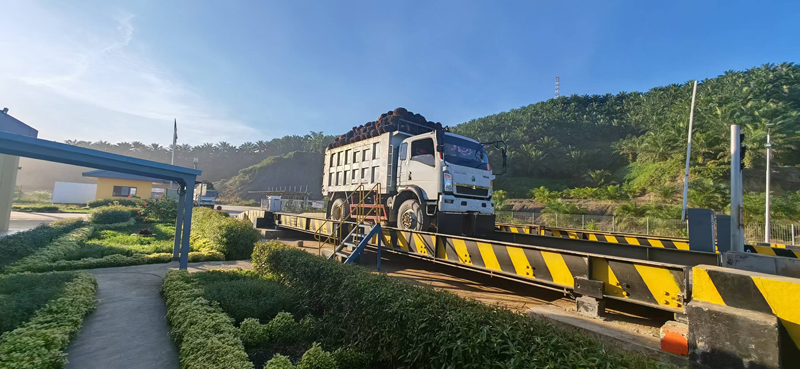
Sterilizer Tank: Commonly used types include vertical and horizontal sterilizer tanks. Fresh fruit bunches are steamed at high temperatures (145°C steam) for 80–90 minutes, thereby reducing enzyme activity and inhibiting the increase in free fatty acids (FFA). This ensures the quality of crude palm oil and provides conditions for subsequent processes.
Thresher drum: The steamed and sterilized ripe fruit bunches (SFB) are passed through a drum-type rotating drum to separate the palm fruits from the empty fruit bunches.
Double-screw press: The Yahua Palm Oil Production Line uses a double-screw press, where two screws work in tandem to more effectively squeeze the oil material, enhancing pressing force and efficiency. This ensures the oil material is thoroughly squeezed and kneaded within the pressing chamber, thereby increasing oil yield.
Purification Equipment: Filters, centrifuges, and other equipment remove impurities from crude palm oil to improve its quality. A three-stage centrifugal filtration system can reduce impurity content to ≤0.1%.
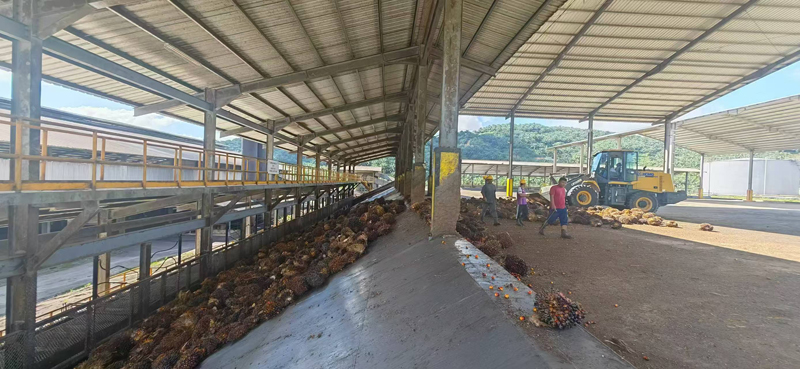
Automatic control system: Used to monitor and regulate various process parameters such as temperature, pressure, and flow rate, ensuring precise operation and minimizing human error.
Steam heating technology: Applied in sterilization and cooking processes to ensure uniform heating of palm fruits and efficient energy utilization. This improves oil yield and oil quality.
Dual-screw pressing technology: Utilizes variable-diameter, variable-pitch screw shafts made of wear-resistant alloy steel. This technology applies higher pressure, effectively extracting oil while minimizing nut breakage, thereby reducing residual oil content and improving oil quality.
Intelligent Temperature Control Technology: Real-time monitoring and precise control of the temperature within the pressing chamber (90–130°C) prevent oil oxidation and degradation, ensuring the quality of crude palm oil.
Centrifugal Filtration Technology: Utilizing centrifugal force to separate impurities from the oil, achieving efficient purification to ensure crude palm oil meets refining requirements.
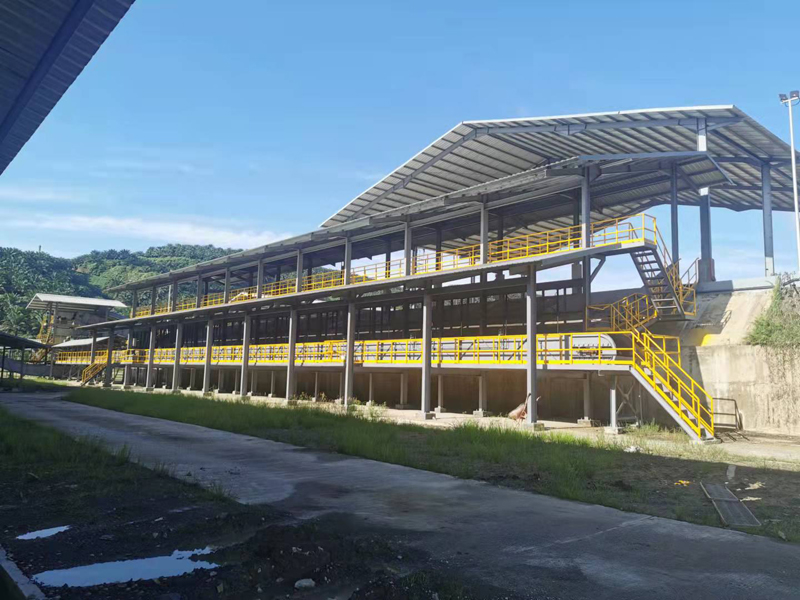
Factory Planning and Design: Based on factors such as the customer's production scale and raw material supply, we provide professional factory layout and process design services to ensure smooth production processes and efficient operations.
Equipment Installation and Commissioning: Our skilled technical team conducts on-site equipment installation and commissioning to ensure the equipment operates normally and meets production requirements. We also provide training to familiarize the customer's personnel with equipment operation and maintenance.
After-sales Support: We offer timely and effective after-sales support, including equipment maintenance, spare parts supply, and technical consultation. Our goal is to swiftly resolve customer issues and ensure the long-term stable operation of the factory.
Technical Upgrades and Optimization: As palm oil pressing technology continues to evolve, we provide customers with technical upgrade and optimization services to enhance production efficiency, improve oil quality, and reduce costs, helping them maintain competitiveness in the market.