Phone:
+86-13598092101
Aug 28, 2026

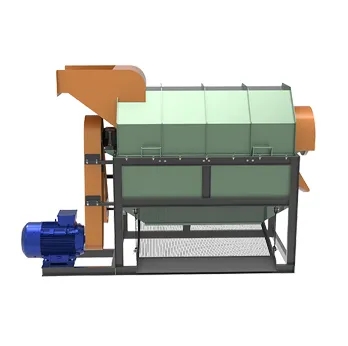 Palm Fruit Splitter
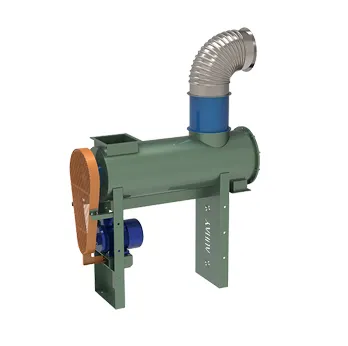 Palm Nut Fiber Polising Separator
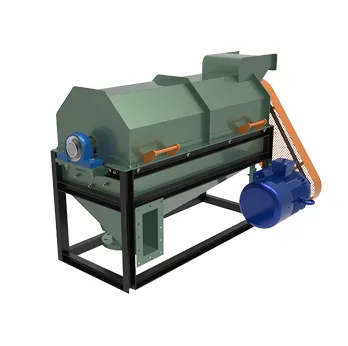 Palm Nut Splitter
 Vertical Sterilizer Tank
 Sterilizer Hydraulic Door
 Horizontal Type Sterilizer Tank
 Transfer Carriage
 Palm Fruit Cage
 Tippler
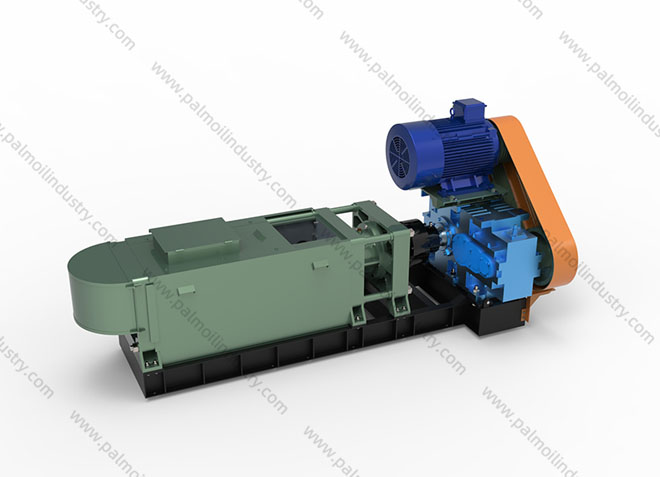
 Palm Fruit Twin Screw Press
 Palm Kernel Expeller
 Empty Palm Fruit Bunches Press
 Thresher Drum
 Digester
 Palm Nut Crusher(Ripple Mill)
 Nut Polishing Drum
 Palm Kernel & Shell Separate Winnowing System
 Palm Kernel & Shell Separate Hydraulic System
 Clay Bath
 Air Lock
 Nut Grading Screen
 Vertical Oil Clarifier Setting Tank With Stirrer
 Palm Kernel Dryer
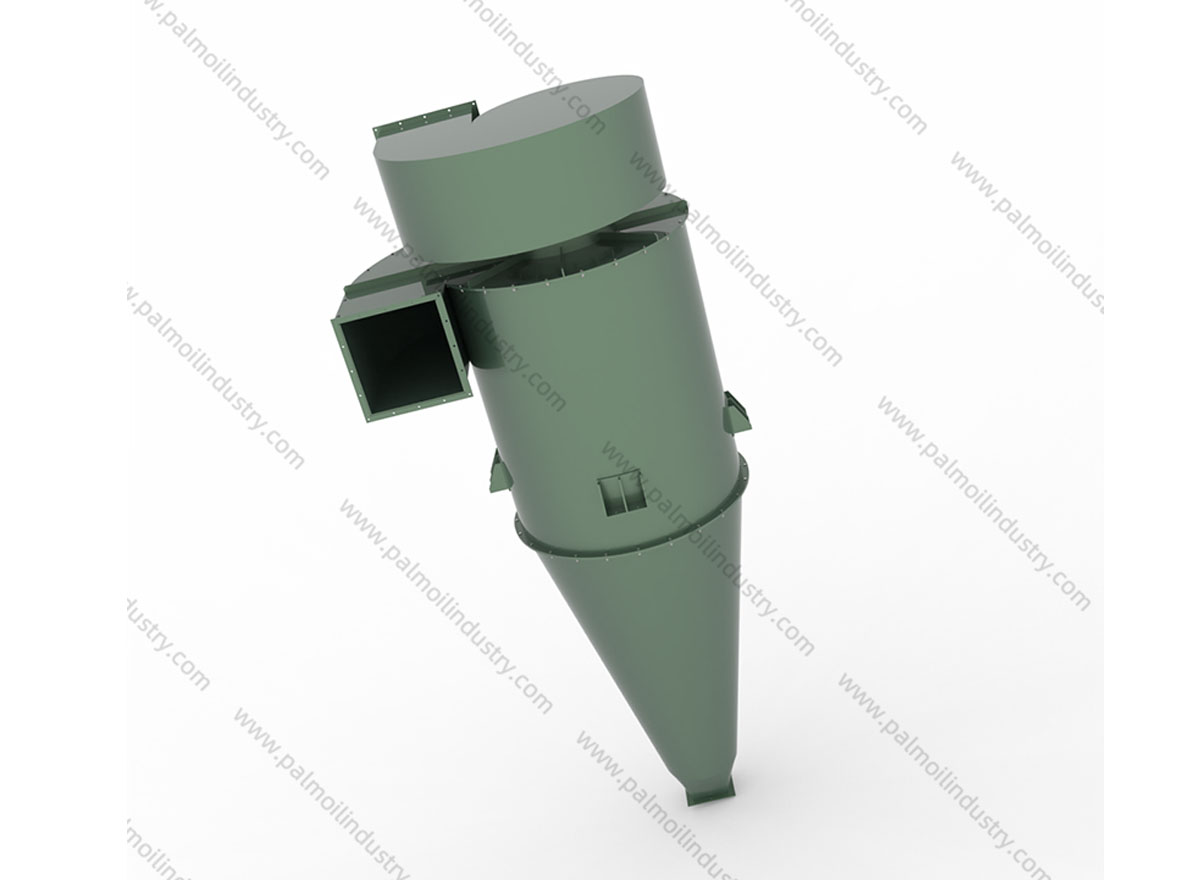
 Fiber Cyclone
 Scraper Conveyor
 Screw Conveyor
 Bucket Elevator
 Back Pressure Vessel
 Palm Kernel Storage Bin
 Palm Nut Hopper
 MBR Water Treatment System
 Hard Bunch Shredder
 Double Deck Circular Vibrating Screen
 Pressure Leaf Filter
 Palm Shell & Kernel Caly Bath Seperator
Palm Kernel Expeller
Palm Kernel & Shell Separate Winnowing System
Palm Kernel & Shell Separate Hydraulic System
Nut Grading Screen
Palm Kernel Dryer
Bucket Elevator
Palm Kernel Storage Bin
Palm Nut Hopper
Pressure Leaf Filter
Palm Shell & Kernel Caly Bath Seperator
Palm Kernel Expeller
Palm Kernel & Shell Separate Winnowing System
Palm Kernel & Shell Separate Hydraulic System
Nut Grading Screen
Palm Kernel Dryer
Bucket Elevator
Palm Kernel Storage Bin
Palm Nut Hopper
Pressure Leaf Filter
 Extruder
 Process Water Tank
 Condensate Water Tank
 Ring-Type Extractor
 Vertical Extraction Unit
 Horizontal (Plate Chain) Extraction Unit
 Desolventizer DTDC
 Solvent Evaporator for Mixed Oil Extraction
 Vibrating Cleaning Screen
 Submerged Arc Scraper Conveyor
Vertical Sterilizer Tank
Submerged Arc Scraper Conveyor
Vertical Sterilizer Tank
 Membrane Press Filter
 Degassing Tower
 Deodorization Tank
 Fatty Acid Distillation Tower
 Fatty Acid Heavy & Light Phase Distillation Column
 Sweet Water Setting Separation Tank
 Foam Trap
 Degumming Tank
 Decolorization Tank
Process Water Tank
Condensate Water Tank
Decolorization Tank
Process Water Tank
Condensate Water Tank
 Hydrolysis Tower
 Tubular Heater
 Fatty Acid Heater
 Atmospheric Leg Pool
 Fatty Acid Flash Separation Tank
Crystallization Tank
Fatty Acid Flash Separation Tank
Crystallization Tank
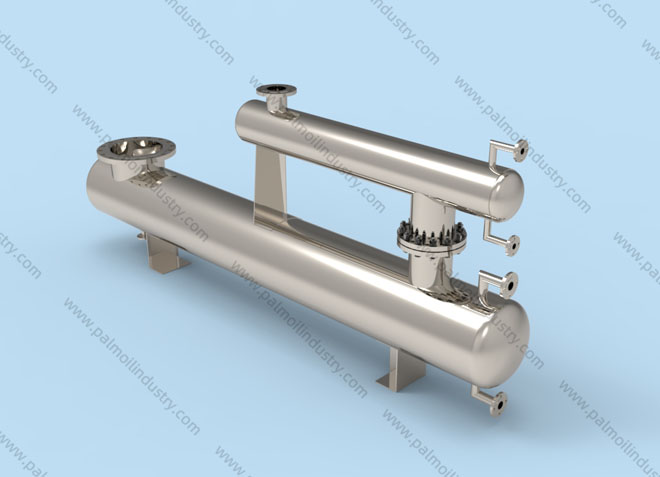
 Shell and Tube Heat Ex-changer Vessels
 Sweet Water Flash Separation Tank
 Glycerin Evaporator
 Glycerol Residue Stripper
 Crude Glycerol Heater
 Glycerol Gas Condenser
 Glycerin Buffer Tank
 Glycerin Distillation Tower
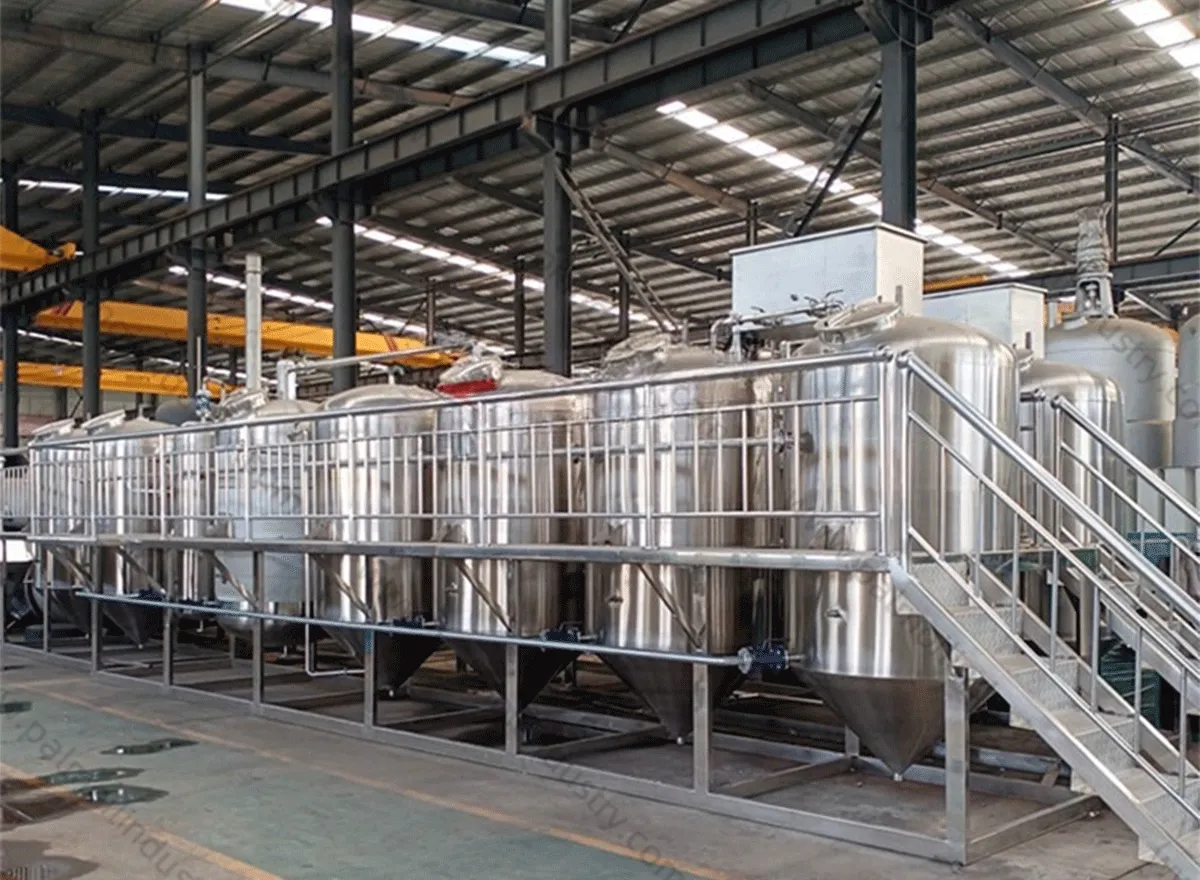
The de-gumming tank is a critical piece of equipment in the oil refining process, primarily used to remove colloidal impurities from crude oil. These impurities primarily include phospholipids, proteins, and mucilage, which can adversely affect the quality and storage stability of the oil and also have a negative impact on subsequent alkali refining and deacidification processes. The degumming tank separates these colloidal impurities from the oil through a specific process, thereby improving the purity and stability of the oil.
The working principle of the degumming tank is based on the hydrophilic nature of colloidal impurities. These impurities absorb water and coagulate when exposed to water or specific electrolyte solutions, thereby separating from the oil. Common degumming methods include hydration degumming and acid refining degumming.
Hydration Degumming
Hydration degumming utilizes the hydrophilic nature of colloidal impurities such as phospholipids. A certain amount of hot water, NaCl, phosphoric acid, and other electrolyte solutions are added to hot oil under stirring, causing the colloidal impurities to absorb water, aggregate into flocculent particles, and settle, thereby separating from the oil. This process is typically carried out in a degumming tank, where parameters such as temperature, stirring speed, and water addition are controlled to achieve efficient degumming results.
Acid Refining Degumming
Acid refining degumming utilizes inorganic acids or organic acids such as hydrochloric acid or phosphoric acid to remove phospholipid colloids from oils more thoroughly, even effectively removing non-hydratable colloids. This method is suitable for refining processes with high requirements for oil quality.
Efficient Degumming
The degumming tank precisely controls parameters such as temperature, stirring speed, and water addition to ensure that colloidal impurities can fully absorb water, coagulate, and settle, thereby achieving efficient degumming.
Multi-functional Integration
The degumming tank not only performs degumming but can also be integrated with the neutralization process, enabling multi-functional integrated operations. This design reduces equipment footprint and enhances production efficiency.
Automated Control
Modern degumming tanks are typically equipped with automated control systems that monitor and adjust operational parameters in real-time, ensuring the stability and consistency of the degumming process.
De-gumming tanks are widely used in the edible oil refining industry to process various crude oils, such as soybean oil, rapeseed oil, and sunflower seed oil. Additionally, they can be used for refining industrial oils to remove impurities and harmful substances.
Improving Oil Quality
By removing colloidal impurities, the degumming tank significantly improves the purity and stability of oils, ensuring compliance with national standards.
Energy Saving and Cost Reduction
The degumming tank's efficient degumming process reduces energy consumption and material usage in subsequent processes.
Environmental Protection
The use of the degumming tank reduces impurity content in oils, minimizing environmental pollution.
Stable Operation
The degumming tank features a rational structural design, ensuring stable operation and low maintenance costs.