
Phone:
+86-13598092101
Aug 28, 2026

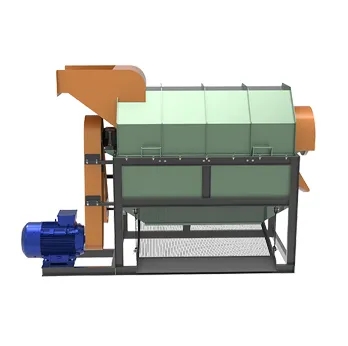 Palm Fruit Splitter
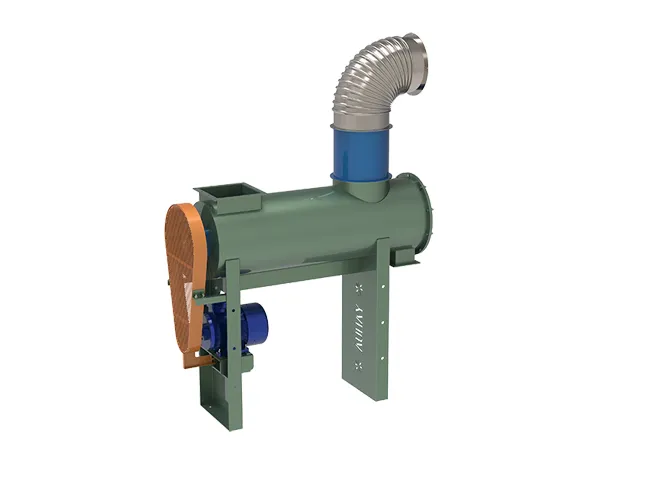
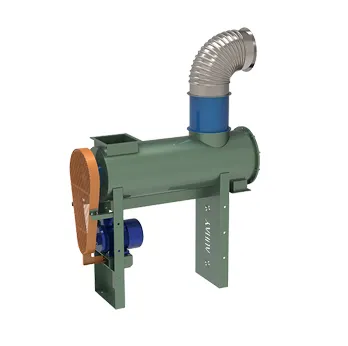 Palm Nut Fiber Polising Separator
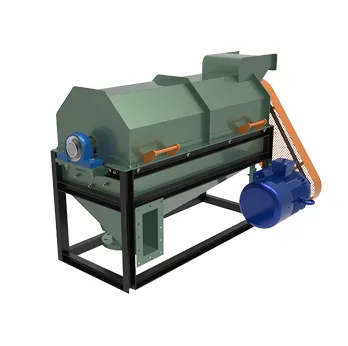 Palm Nut Splitter
 Vertical Sterilizer Tank
 Sterilizer Hydraulic Door
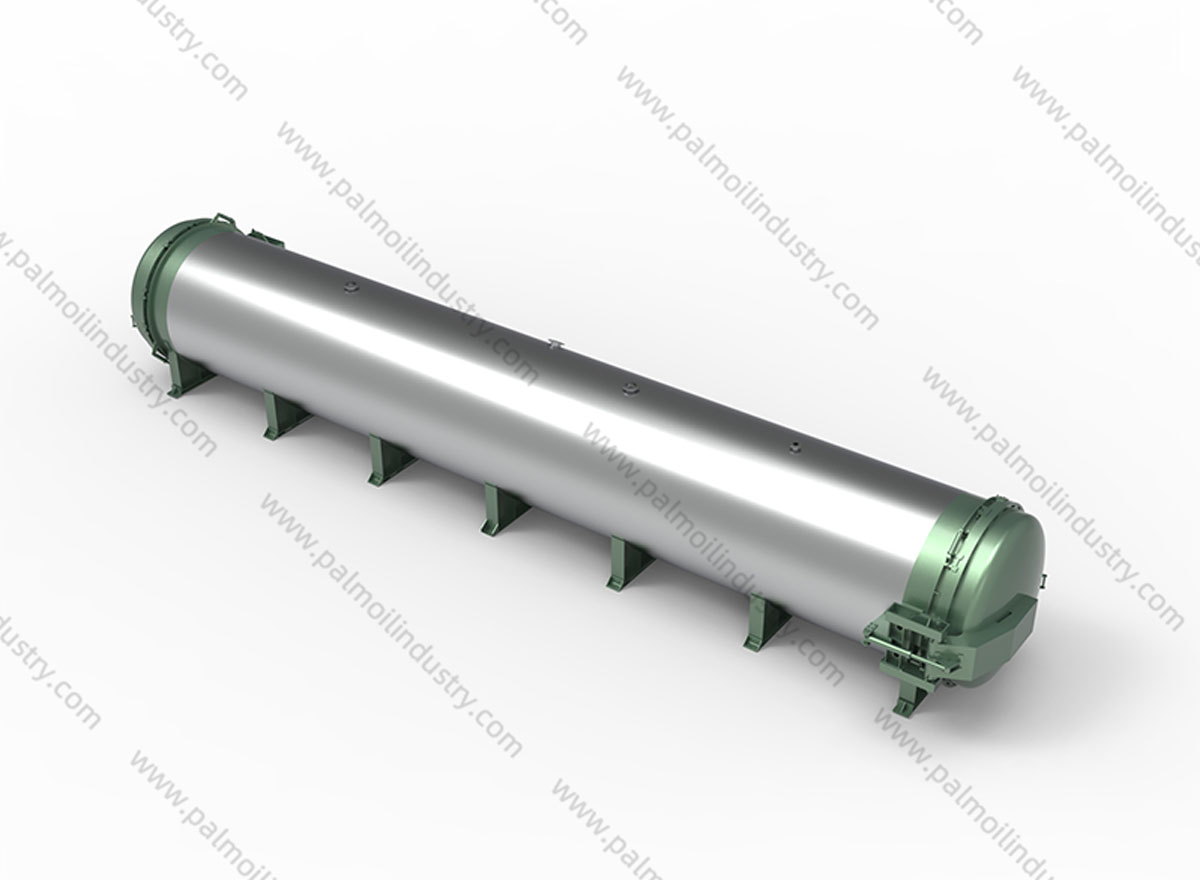
 Horizontal Type Sterilizer Tank
 Transfer Carriage
 Palm Fruit Cage
 Tippler
 Palm Fruit Twin Screw Press
 Palm Kernel Expeller
 Empty Palm Fruit Bunches Press
 Thresher Drum
 Digester
 Palm Nut Crusher(Ripple Mill)
 Nut Polishing Drum
 Palm Kernel & Shell Separate Winnowing System
 Palm Kernel & Shell Separate Hydraulic System
 Clay Bath
 Air Lock
 Nut Grading Screen
 Vertical Oil Clarifier Setting Tank With Stirrer
 Palm Kernel Dryer
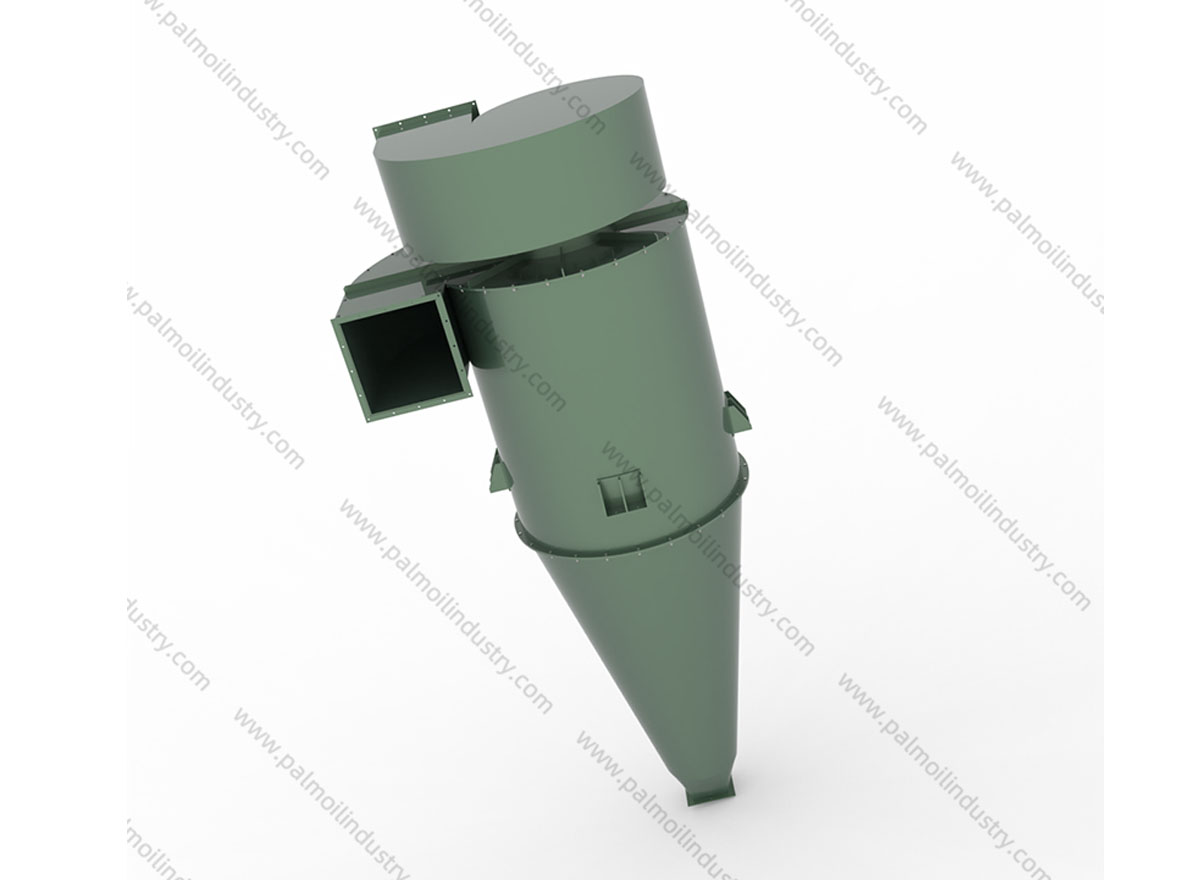
 Fiber Cyclone
 Scraper Conveyor
 Screw Conveyor
 Bucket Elevator
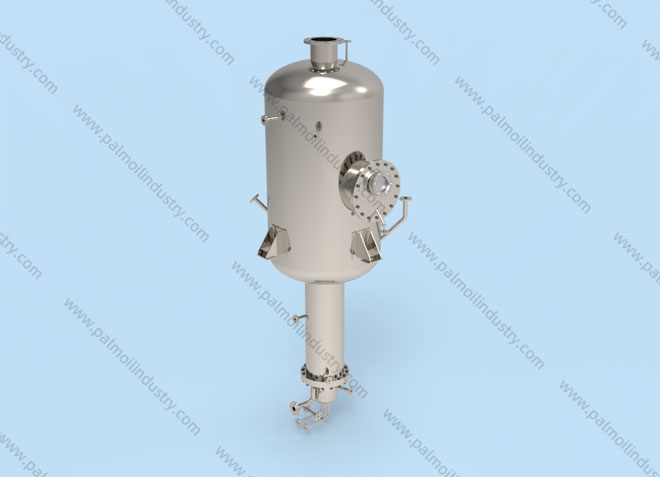
 Back Pressure Vessel
 Palm Kernel Storage Bin
 Palm Nut Hopper
 MBR Water Treatment System
 Hard Bunch Shredder
 Double Deck Circular Vibrating Screen
 Pressure Leaf Filter
 Palm Shell & Kernel Caly Bath Seperator
Palm Kernel Expeller
Palm Kernel & Shell Separate Winnowing System
Palm Kernel & Shell Separate Hydraulic System
Nut Grading Screen
Palm Kernel Dryer
Bucket Elevator
Palm Kernel Storage Bin
Palm Nut Hopper
Pressure Leaf Filter
Palm Shell & Kernel Caly Bath Seperator
Palm Kernel Expeller
Palm Kernel & Shell Separate Winnowing System
Palm Kernel & Shell Separate Hydraulic System
Nut Grading Screen
Palm Kernel Dryer
Bucket Elevator
Palm Kernel Storage Bin
Palm Nut Hopper
Pressure Leaf Filter
 Extruder
 Process Water Tank
 Condensate Water Tank
 Ring-Type Extractor
 Vertical Extraction Unit
 Horizontal (Plate Chain) Extraction Unit
 Desolventizer DTDC
 Solvent Evaporator for Mixed Oil Extraction
 Vibrating Cleaning Screen
 Submerged Arc Scraper Conveyor
Vertical Sterilizer Tank
Submerged Arc Scraper Conveyor
Vertical Sterilizer Tank
 Membrane Press Filter
 Degassing Tower
 Deodorization Tank
 Fatty Acid Distillation Tower
 Fatty Acid Heavy & Light Phase Distillation Column
 Sweet Water Setting Separation Tank
 Foam Trap
 Degumming Tank
 Decolorization Tank
Process Water Tank
Condensate Water Tank
Decolorization Tank
Process Water Tank
Condensate Water Tank
 Hydrolysis Tower
 Tubular Heater
 Fatty Acid Heater
 Atmospheric Leg Pool
 Fatty Acid Flash Separation Tank
Crystallization Tank
Fatty Acid Flash Separation Tank
Crystallization Tank
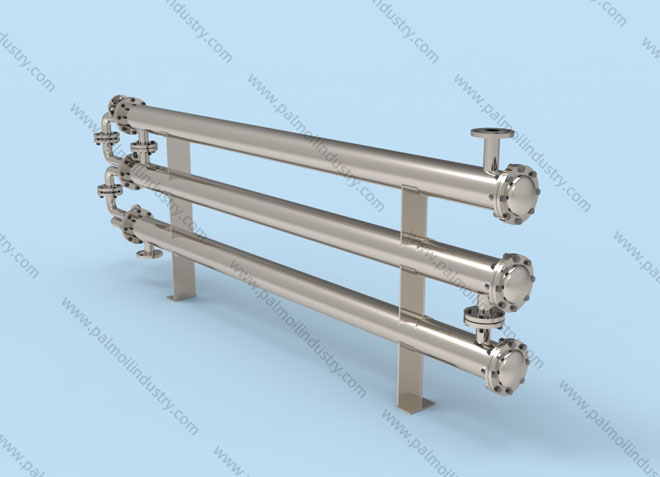
 Shell and Tube Heat Ex-changer Vessels
 Sweet Water Flash Separation Tank
 Glycerin Evaporator
 Glycerol Residue Stripper
 Crude Glycerol Heater
 Glycerol Gas Condenser
 Glycerin Buffer Tank
 Glycerin Distillation Tower
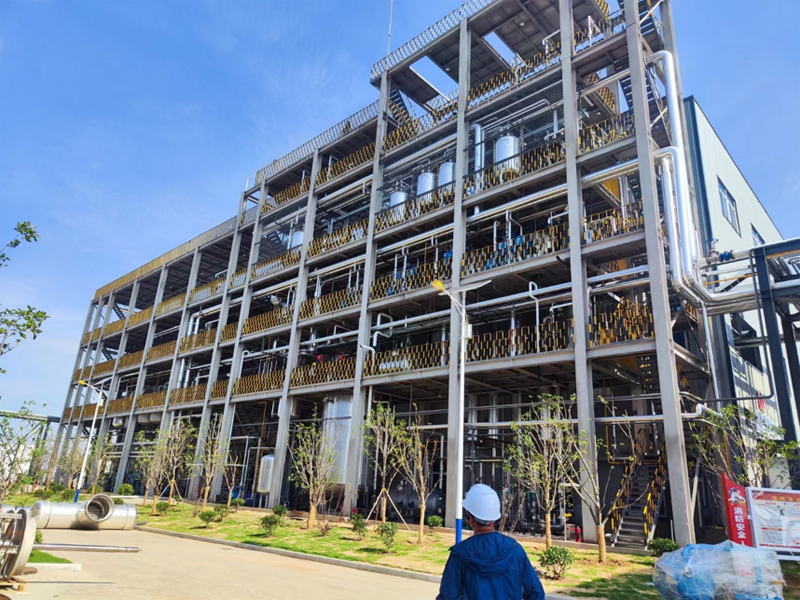
The palm oil chemical engineering project focuses on the high-value separation of palmitic acid (C16:0) and oleic acid (C18:1) as its core objective. By establishing a four-stage technical chain comprising “hydrolysis-distillation-esterification-fractionation,” the project achieves the conversion of raw materials into high-end oil-based chemicals. Raw palm oil undergoes pretreatment to remove moisture, free fatty acids, and pigments before entering a high-pressure continuous hydrolysis tower. Under high-temperature and high-pressure conditions, water molecules penetrate glycerol ester bonds, triggering a cleavage reaction to produce crude fatty acids and sweet water.
Yahu's fatty acid engineering solution leverages the melting point difference between saturated fatty acids (C16:0 with a melting point of 63°C) and unsaturated fatty acids (C18:1 with a melting point of 13°C) to achieve precise component separation through four-stage distillation. The same production line can be switched to produce three high-value-added products: food-grade palmitic acid, OPO-structured lipids, and industrial soap granules.
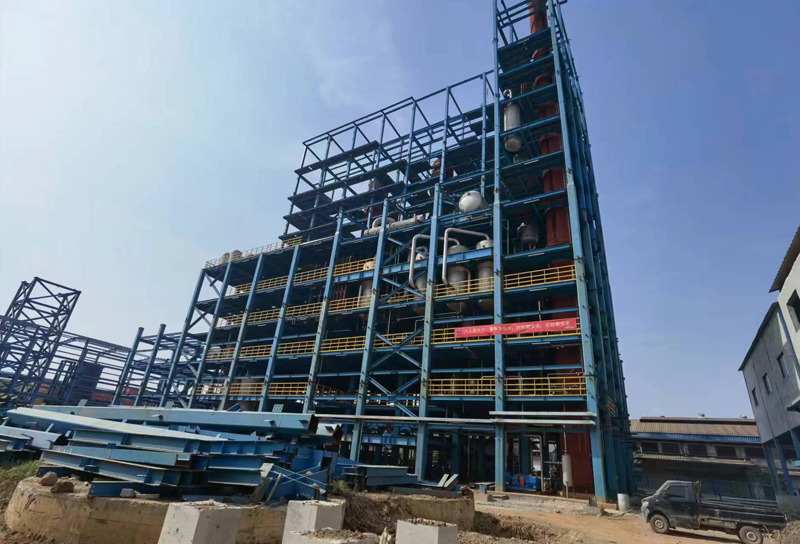
1. Raw Material Pretreatment Segment
Raw palm oil undergoes vacuum drying, deacidification, and decolorization to obtain refined palm oil with acid value and color meeting hydrolysis process standards.
2. High-Pressure Hydrolysis and Fatty Acid Purification
Refined oil and softened water are pumped into the hydrolyzation tower made of Hastelloy C276 material at a volume ratio of 1:0.4. At a pressure of 5.2 MPa, water remains in liquid form and ionizes into H⁺/OH⁻ ions, catalyzing the hydrolysis of glyceride bonds: C₃H₅(OCOR)₃ + 3H₂O → 3RCOOH + C₃H₅(OH)₃
Temperature gradient control (bottom 250°C → top 230°C) inhibits the reverse reaction, and a 90-minute residence time ensures a hydrolysis rate of ≥98%.
The resulting fatty acid phase enters a four-stage vacuum distillation system:
First tower (200°C/-4 kPa): removes light-component free fatty acids;
Second tower (220°C/-3.5 kPa): cuts off the C12-C14 fraction;
Third tower (230°C/-3 kPa): Core section, where a falling film evaporator forms a uniform liquid film at a linear velocity of 1.2 m/s, and palmitic acid (C16:0) precipitates at a purity of ≥95% under precise temperature control;
Fourth tower (240°C/-3 kPa): Separate C18 stearic acid; tower bottom residue is transported to the by-product section.
3. Soap Granule Production and Glycerol Recycling
Saturated fatty acids (C16:0 + C18:0) react with a 22% NaOH solution in a scraped-film reactor to form soap:
RCOOH + NaOH → RCOONa + H₂O RCOOH + NaOH → RCOONa + H₂O
Innovative use of glycerol in-situ retention technology: Adding 0.05% carboxymethyl cellulose (CMC) forms a three-dimensional network structure, locking the glycerol generated during the reaction within the soap base matrix. The mixed material is dehydrated and granulated in a fluidized bed drying tower, with 120°C hot air penetrating the gaps between Φ2-3 mm particles, ultimately producing soap granules with a pH of 8.5, glycerol content of 10-12%, significantly reducing skin irritation.
4. OPO Structural Lipid Synthesis
Palmitic acid and high-purity oleic acid are catalytically synthesized into OPO (1,3-dioleoyl-2-palmitoyl glycerol ester) in a fixed-bed enzyme reactor:
Glycerol + 2 oleic acids → sn-1,3-1,3-dioleoyl glycerol + palmitic acid → sn-2 OPO
glycerol + 2 oleic acids sn-1,3-1,3-dioleoyl glycerol + palmitic acid sn-2 OPO
Under mild conditions at 60°C, the molar ratio of substrates is strictly controlled at palmitic acid:oleic acid:glycerol = 1:2:0.33, and the reaction is carried out for 8 hours to obtain crude OPO. Subsequent programmatic fractionation: Slow cooling at 6°C to form β' crystalline crystals → Crystal growth at 4°C for 3 hours → Vacuum drum filtration at 10°C → Membrane filtration at 20°C, ultimately enriching to obtain a liquid oil phase with OPO content ≥38%.
5. Glycerol Purification Process
The glycerol aqueous phase (containing 8–12% glycerol) produced in the high-pressure hydrolysis section of palm oil undergoes vacuum pre-concentration → chemical purification → two-stage ion exchange → membrane evaporation to produce pharmaceutical-grade glycerol with a purity of ≥99.8%, meeting USP/EP standards.
Compared to traditional processes, recovery rate is improved by 6% (reaching 96%), and steam consumption per ton of glycerol is reduced to 0.8 tons (industry average: 1.5 tons).
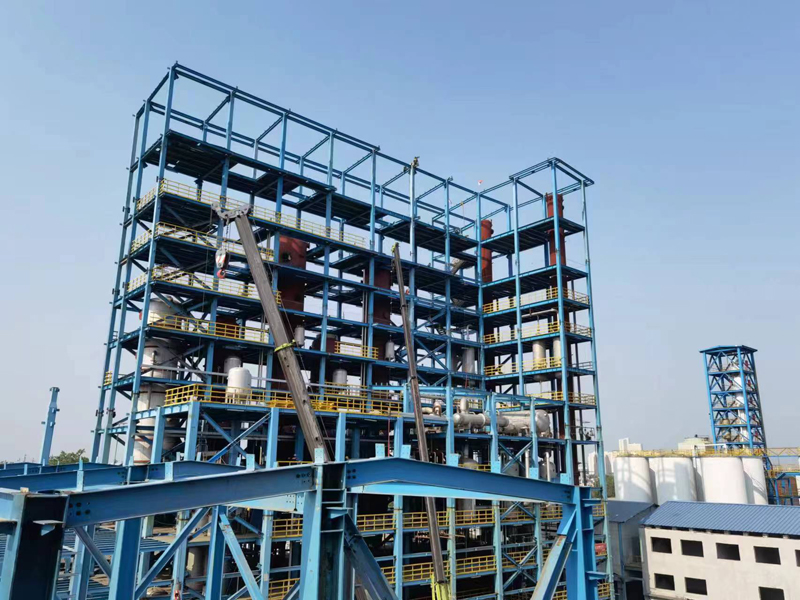
The high-pressure hydrolysis tower is lined with Hastelloy C276 to withstand high-temperature fatty acid corrosion. The tower features six independent temperature-controlled zones, with pressure-temperature linked PID algorithms to maintain fluctuations within ±0.5%.
The four-stage distillation tower assembly integrates an online infrared spectrometer for real-time monitoring of fatty acid chain length distribution. When changes in theintensity of the C16 peak are detected, the temperature setpoint of the third-stage tower is automatically adjusted (with a precision of ±0.5°C) to ensure palmitic acid purity ≥95%.
The immobilized enzyme reactor is equipped with a micro-moisture sensor that monitors the moisture content of the reaction system based on changes in dielectric constant. When moisture deviates from the optimal range of 0.5-1.0%, the nitrogen purging system is automatically triggered to ensure enzyme activity stability.
The central control room deploys a digital twin platform, constructing a virtual factory through over 2,000 real-time data points to simulate the impact of process parameter adjustments on product quality, achieving “parameter changes predicted before implementation.”
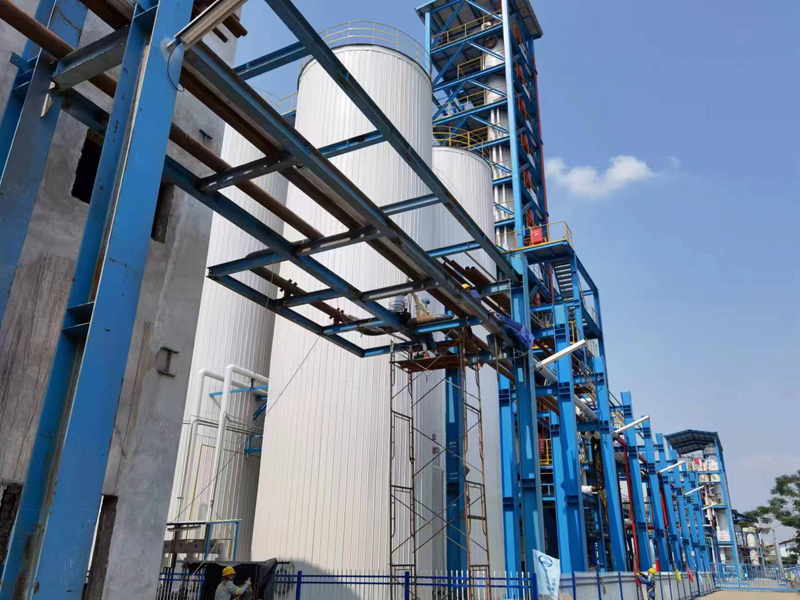
Molecular distillation purification of oleic acid
To address the challenge of high-temperature decomposition of unsaturated fatty acids, the short-path scraped-film distillation technology is employed to prevent oxidation of polyunsaturated fatty acids, yielding oleic acid with a purity ≥90% and color value ≤0.5 red value, meeting cosmetic raw material standards.
High-Value Conversion of Residues
The bottom residues from the four-stage distillation tower contain a high proportion of C18 and above components. Through the calcium saponification-spray drying process, these residues are converted into PVC thermal stabilizers for use in PVC pipe manufacturing.
Energy Cascade Utilization System
Through heat recovery, energy consumption is reduced; saponification residues are used for incineration power generation; The DCS intelligent control system dynamically adjusts steam pipeline pressure to match waste heat power generation load, reducing overall energy consumption by 25%.
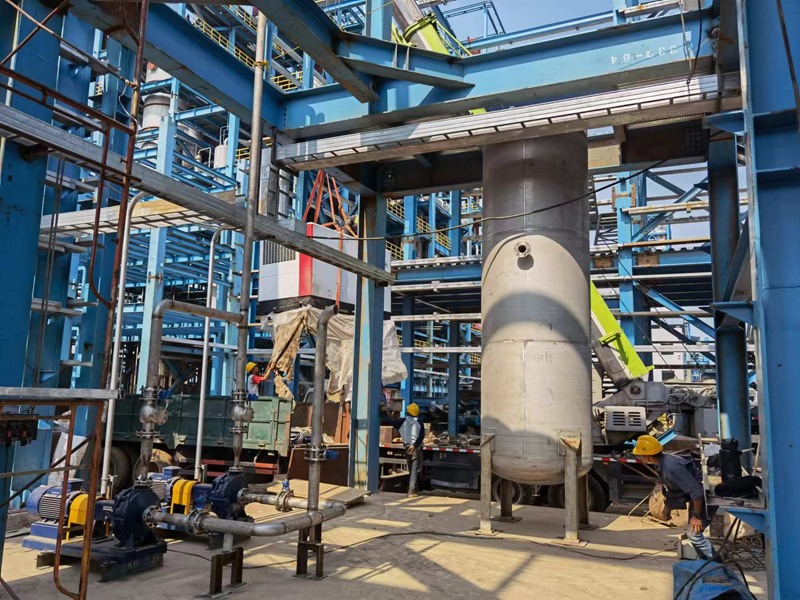
During the process design phase, raw material compatibility tests are conducted to establish a database correlating palm oil acid value with saponification process parameters.
ANSYS fluid simulation is used to optimize the structure of the hydrolyzer feed distributor, eliminating flow dead zones.
Equipment Installation Phase Laser alignment technology (accuracy 0.02 mm) is used to calibrate power equipment, preventing operational vibrations. Pressure pipelines undergo 100% radiographic testing, compliant with ASME B31.3 standards.
Commissioning and Testing: Conduct a 72-hour water circulation test to verify system Sealing performance and control logic. Operators conduct emergency response drills using VR equipment, covering 32 scenarios such as hydrogen leaks and overpressure releases.
Continuous Optimization Services: Monthly energy efficiency audit reports are generated to analyze steam consumption peaks and propose improvements to the heat exchange network.